Window Replacement Versus Repair Explained
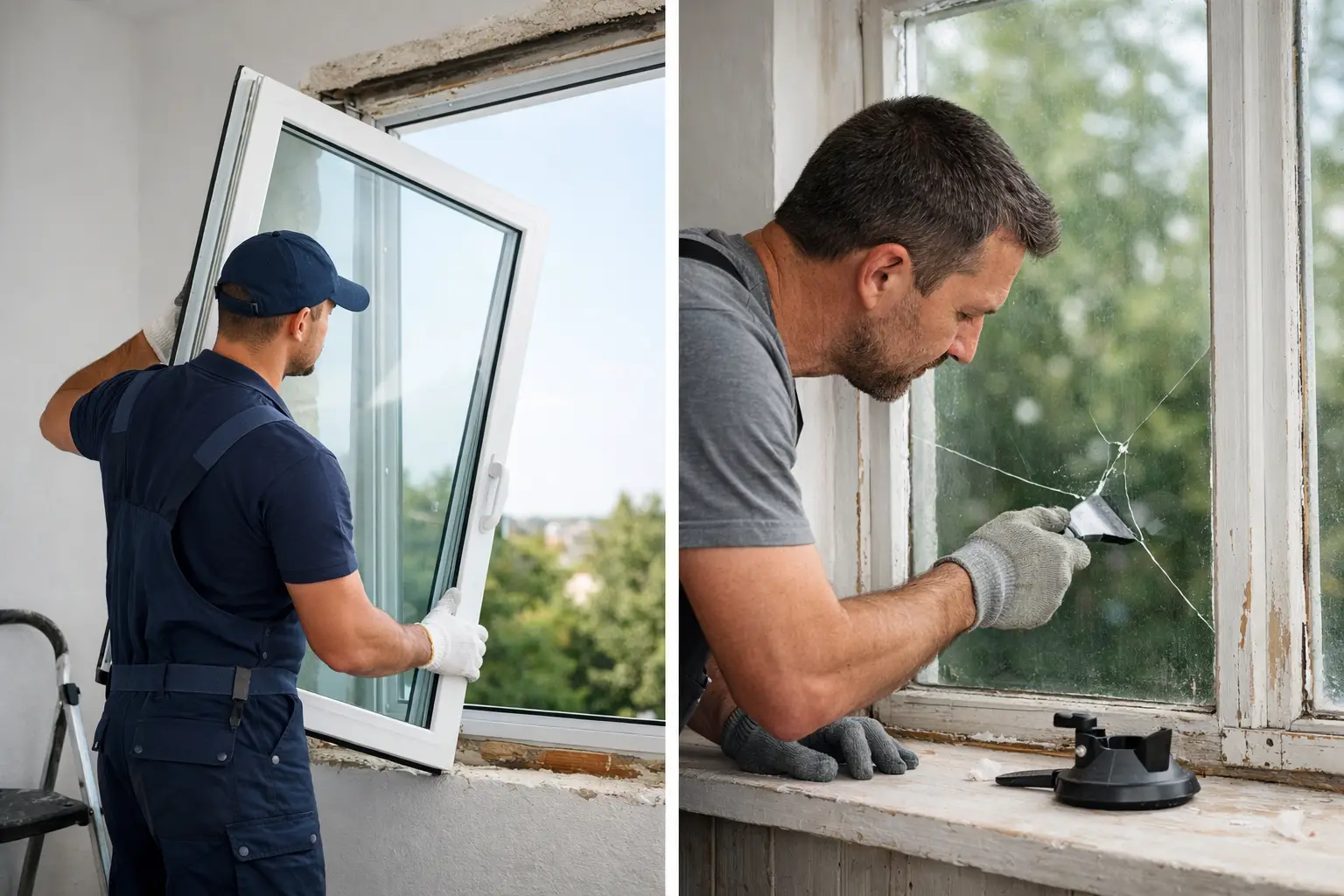
A window that sticks, leaks during a storm, or stays cloudy between the panes can make a room uncomfortable fast. The decision on window replacement versus repair is not always as simple as choosing the lower upfront cost. A well-timed repair can restore function and protect your home, while replacement may be the smarter investment when damage or inefficiency has reached the point where repairs will not last.
For homeowners in Tallahassee, Marianna, Dothan, and nearby communities, the right answer depends on the window's condition, age, material, and role in the home. Looking at the full problem before work begins helps prevent spending money twice.
Window Replacement Versus Repair: Start With the Damage
The first question is whether the window's main structure is still sound. A damaged screen, worn weatherstripping, loose hardware, or small opening around the frame can often be repaired without replacing the entire unit. These are common maintenance issues, and addressing them early can improve comfort and prevent water from getting farther into the wall.
Repair is often a practical choice when the glass is intact, the frame has no significant rot, and the window opens, closes, and locks properly after adjustment. Wood windows may need minor carpentry, caulk, glazing compound, or repainting. Vinyl and aluminum windows may need replacement balances, tracks, locks, or handles. These repairs are usually less disruptive than installing a new window and can extend the service life of an otherwise solid unit.
Replacement becomes more likely when the frame is warped, soft from rot, cracked beyond a simple repair, or pulling away from the wall. Water damage around a window should never be treated as a cosmetic issue alone. Moisture can damage trim, drywall, insulation, and framing behind the surface. If the problem has been recurring, the source of the leak needs to be identified before a replacement window is installed.
When Repair Makes Sense
A repair can be the right move when it solves the actual problem and leaves you with a dependable window. It is especially useful for newer windows with isolated wear or older windows that still fit the home and have structurally sound frames.
Common repairable issues include broken latches, torn screens, drafty weatherstripping, loose interior trim, deteriorated caulk, sticking sashes, and minor glass damage. A single cracked pane may be repairable if the surrounding frame and insulated glass system are in good shape. In some cases, a foggy double-pane window can have its insulated glass unit replaced without changing the full frame.
Repair also makes sense when only one or two windows need attention. Replacing a full group of windows may be worthwhile for a larger efficiency upgrade, but there is no need to replace every window because one has a failed lock or a damaged screen.
Older wood windows deserve a careful assessment. Well-built original windows can often be restored if decay is limited and the sash remains stable. However, a repair that only covers soft wood or freshens peeling paint will not solve a deeper moisture problem. The work needs to remove damaged material, restore the affected area, and seal the window properly.
Signs It Is Time to Replace a Window
Replacement is generally the better long-term choice when repairs become frequent, performance continues to decline, or the window can no longer provide basic protection from weather and intruders. A new window can improve operation, insulation, appearance, and security at the same time.
Consider replacement if you notice significant rot in the frame or sill, repeated water leaks, broken seals in multiple panes, or windows that will not lock securely. Windows that are badly warped, cracked, or difficult to open can create both safety and emergency-exit concerns. A bedroom window that cannot open properly is not just inconvenient.
Persistent drafts are another reason to look beyond a quick repair. Sometimes new caulk and weatherstripping will stop air movement. But if the sash does not fit the frame, the insulated glass has failed, or the window itself is outdated and poorly performing, the draft may return after a short time.
Replacement may also be appropriate during exterior remodeling. If siding, trim, or wall repairs are already planned, it can be more efficient to address failing windows at the same time. Coordinating the work can provide better access to flashing and surrounding materials, which are critical to keeping water out of the home.
Cost Is More Than the Initial Price
Repair usually costs less than replacement, particularly for straightforward issues such as hardware, screens, caulk, or trim. That lower cost is valuable when the repair has a reasonable expected life. The problem comes when homeowners keep paying for temporary fixes on a window that is already failing in several ways.
A replacement window has a higher initial cost because it involves the unit, removal work, installation, insulation, flashing or sealing, and finishing around the opening. Still, it can reduce future maintenance and improve the home's comfort. The value is strongest when the old window leaks, has extensive deterioration, or is part of a broader plan to improve energy efficiency.
Do not judge the decision by product price alone. Installation quality matters just as much. Even a good replacement window can develop leaks, drafts, and trim damage if it is not installed and sealed correctly. The opening, sill, exterior trim, and surrounding wall should be inspected as part of the job.
Energy Efficiency and Comfort
Windows affect more than the view. They influence room temperatures, humidity, noise, and how hard your heating and cooling system has to work. In North Florida and Southeast Alabama, summer heat and heavy rain place real demands on windows, seals, and exterior trim.
If a window is sound but has worn weatherstripping or failed caulk, repair can make a noticeable difference in comfort. Closing gaps around the sash and frame can limit warm, humid air entering the home. Repairing loose trim can also prevent rainwater from working its way behind the wall surface.
If multiple windows have failed seals, thin single-pane glass, or frames that no longer close tightly, replacement may offer a bigger improvement. Modern windows are available with insulated glass and coatings designed to reduce heat transfer. The best choice still depends on the home, the window orientation, the existing openings, and the homeowner's budget. Higher-priced glass packages are not automatically necessary for every room.
Appearance, Security, and Daily Use
A window should be easy to open when you need fresh air and easy to lock when you leave the house. Broken locks, loose sashes, and damaged frames can affect home security. In some cases, replacing hardware restores secure operation. In others, worn tracks or frame damage mean the entire unit needs attention.
Appearance matters too, especially when windows have peeling paint, damaged trim, cloudy glass, or mismatched replacement parts. A targeted repair can preserve the character of a home. Replacement can create a cleaner, more consistent look when several older windows are visibly worn or no longer match the home's updates.
For rental properties, homes being prepared for sale, and family homes with active daily use, reliability is often the deciding factor. A window that needs constant adjustment may not be worth keeping simply because it can technically be repaired one more time.
Get a Clear Assessment Before Deciding
The best decision starts with an in-person look at the window and the materials around it. A professional should check the glass, sash, frame, sill, locks, caulk, trim, and signs of moisture. That assessment helps separate a simple maintenance issue from a larger problem hiding behind the trim.
Sola Handyman Services can help homeowners evaluate window-related repairs, exterior trim issues, and the practical work needed to keep openings protected and functional. For larger replacement projects, a clear scope of work helps ensure surrounding repairs and finish details are not overlooked.
If your windows are showing early signs of trouble, address them before the next hard rain or hot season puts more stress on the opening. A timely repair may preserve a good window, and a well-planned replacement may protect your home for years to come.