Home Repairs That Keep Your House Working
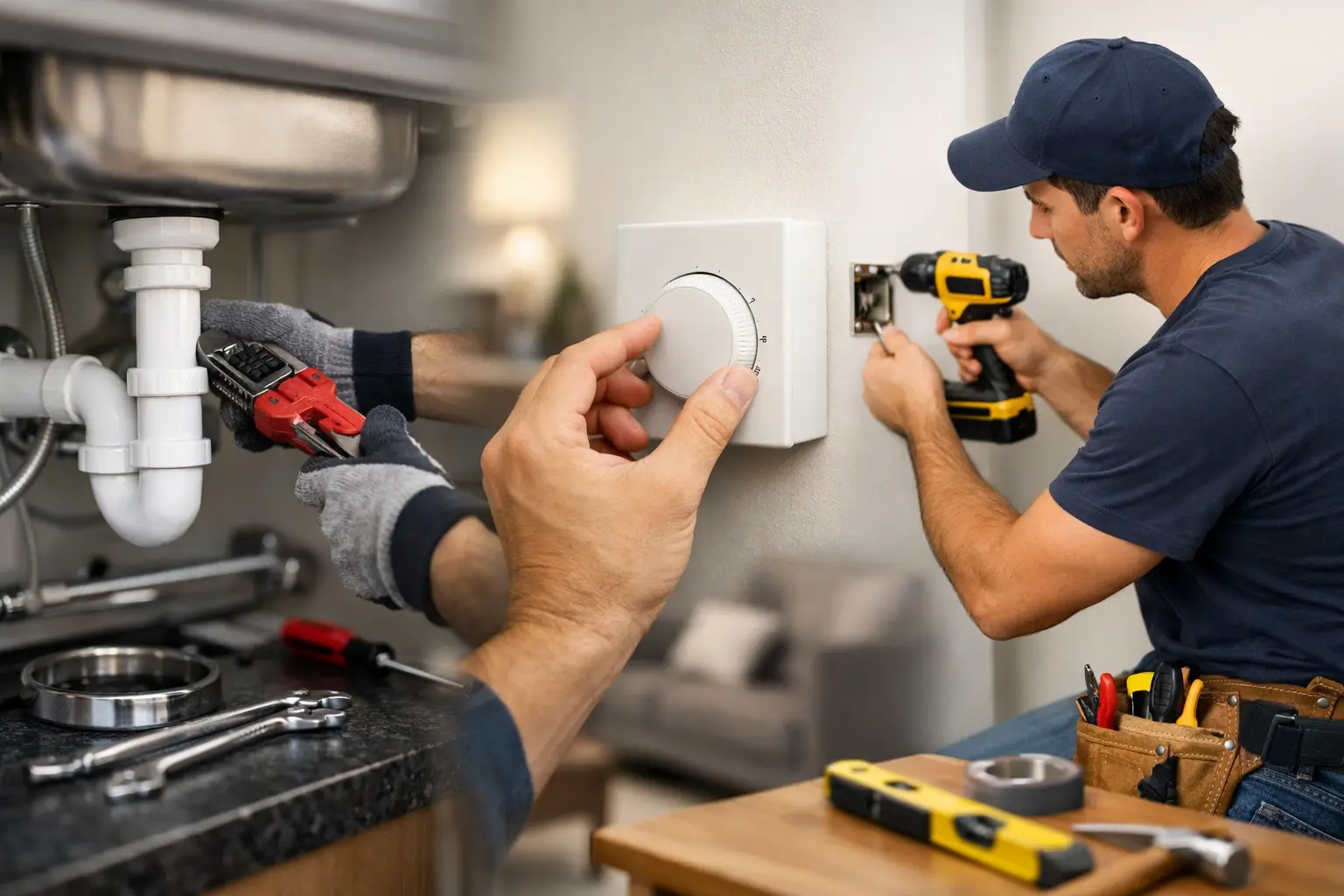
A sticking door rarely stays just a sticking door for long. A small leak under the sink can turn into cabinet damage, warped flooring, and a much bigger bill than expected. That is how home repairs usually work - the longer they sit, the more they affect comfort, safety, and cost.
For homeowners in Tallahassee, Marianna, Dothan, and nearby communities, the real challenge is not just spotting problems. It is knowing which repairs can wait, which ones need immediate attention, and when it makes more sense to bring in a professional instead of spending a weekend chasing a fix that does not hold. Good repair work protects the way your home functions every day.
Why home repairs matter more than most homeowners expect
A house does not need to be old to need attention. Regular use puts strain on doors, drywall, trim, fixtures, flooring, caulk lines, and hardware. Weather adds another layer, especially in the South, where heat, humidity, storms, and moisture can wear down materials faster than many people realize.
The biggest issue with delayed repairs is that one failure often leads to another. A loose handrail becomes a safety concern. Damaged grout lets moisture through. A soft spot in flooring can point to water intrusion below the surface. Even cosmetic issues can signal a deeper maintenance problem.
There is also the practical side. Most homeowners are not looking for perfection. They want a home that works the way it should. Cabinets should open properly. Windows should close securely. Tile should stay in place. Walls should look finished, not patched over three different times. Reliable repair work keeps daily life moving without constant workarounds.
The home repairs that deserve attention first
Not every issue carries the same urgency. Some repairs are mostly cosmetic, while others affect safety, structural stability, or future costs. Knowing the difference helps homeowners make better decisions.
Safety-related repairs
Anything that creates a fall risk, electrical concern, or access problem should move up the list. Loose steps, broken railings, damaged flooring, sagging shelves, and doors that will not latch properly may look minor, but they can lead to injury or security problems. In homes with children, older adults, or frequent guests, these repairs are especially important.
Water-related problems
Water is one of the most expensive issues a homeowner can ignore. Small plumbing leaks, deteriorated caulk, soft drywall, stained ceilings, and rotted trim often point to moisture where it should not be. The repair itself may be simple if caught early. If it is left alone, the damage can spread into framing, finishes, flooring, and cabinetry.
Functional wear and tear
A lot of common household issues fall into this category. Doors that rub, cracked drywall, broken fence sections, damaged baseboards, worn-out fixtures, and loose cabinet hardware may not feel urgent, but they affect how the home looks and performs. These are often the repairs homeowners live with for too long because they seem manageable. Over time, the list grows and becomes harder to address efficiently.
When a handyman is the right fit for home repairs
Many repair needs do not require a large contractor or a specialized crew. They require skill, efficiency, and the ability to handle a range of issues correctly. That is where a handyman service is often the best fit.
A qualified handyman can take care of the kinds of repairs that pile up across a home - drywall patching, trim replacement, door and window adjustments, fixture installation, minor carpentry, flooring touch-ups, fence repairs, and general maintenance tasks. For homeowners, that means fewer delays and less hassle trying to coordinate multiple providers for practical jobs.
This approach is especially useful when repairs are connected. A leak might require drywall repair after the plumbing issue is resolved. A bathroom update might involve patching, trim work, caulking, hardware replacement, and fixture installation. One capable provider can often complete the work more smoothly than several separate appointments.
That said, it depends on the scope. Major structural work, full system replacements, or highly specialized trade issues may require licensed specialists. The right service provider should be clear about that. Good repair work starts with honest assessment, not overselling.
Signs your home needs more than a quick patch
Some repair problems repeat because the original fix only covered the surface issue. Paint keeps bubbling in the same spot. A door is adjusted again and again but still will not close right. Caulk is replaced, yet moisture stains return. These patterns usually mean there is an underlying cause that has not been addressed.
Homeowners should pay attention when the same repair keeps coming back, when materials feel soft or unstable, or when visible damage spreads beyond one area. Those are signs that a simple patch may not be enough. In many cases, a better long-term repair saves money by stopping repeat labor and material costs.
There is also a point where repairs start to overlap with improvement work. Replacing damaged trim can lead to a broader refresh of a room. Repairing worn flooring in one section may reveal that a larger replacement makes more sense for appearance and durability. This is one reason many homeowners prefer working with a company that can handle both repairs and remodeling when needed.
Home repairs and property value
Most people think about property value when they are preparing to sell, but repair condition matters long before that. A well-kept home is easier to live in, easier to maintain, and less likely to surprise you with expensive damage. Buyers notice condition, but so do current owners every single day.
The value of repair work is not just in resale. It shows up in fewer future problems, better function, and a cleaner, more finished home. Well-maintained walls, doors, flooring, fixtures, and exterior features help a property hold up over time. Even modest repairs can improve how a space feels.
This matters for families, retirees, and working homeowners who do not want a growing list of unfinished projects. It also matters for owners who plan to stay in their homes for years. Putting off manageable repairs now often creates bigger disruptions later.
What homeowners should expect from professional home repairs
Professional repair service should feel straightforward. The issue should be evaluated clearly, the needed work should be explained in plain language, and the result should solve the problem rather than temporarily hide it. Homeowners should not have to guess what is being fixed or why a certain approach is recommended.
They should also expect respect for their time and home. That includes showing up as scheduled, working cleanly, and focusing on durable workmanship. In repair work, details matter. A door should not just close - it should align correctly. A drywall patch should not just cover damage - it should blend properly. Trim and finish work should look intentional, not rushed.
For local homeowners, there is added value in working with a provider that understands the area, the housing stock, and the common wear patterns that come with the regional climate. Sola Handyman Services serves homeowners across Tallahassee, Marianna, Dothan, and surrounding communities with the kind of practical repair and improvement support that keeps homes functional and presentable.
How to stay ahead of common repair issues
The best time to handle a repair is usually earlier than most people think. Homeowners do not need a complicated maintenance plan, but they do benefit from paying attention to small changes. A new crack, a loose board, a stained ceiling, or a wobbly fixture is easier to address now than after months of wear.
It also helps to group projects together. Instead of calling for one minor issue at a time, many homeowners save time by addressing several repair items in one visit. That can be a smart way to catch up on deferred maintenance and improve multiple parts of the home at once.
Most of all, it is worth treating repair work as part of owning a home, not as a sign something has gone wrong. Every house needs upkeep. The goal is not to avoid repairs completely. The goal is to handle them before they become disruptive, expensive, or unsafe.
When your home starts showing signs of wear, the right next step is simple: fix what matters, fix it well, and keep the house working the way it should.