Vinyl Plank Versus Tile: Which Floor Fits?
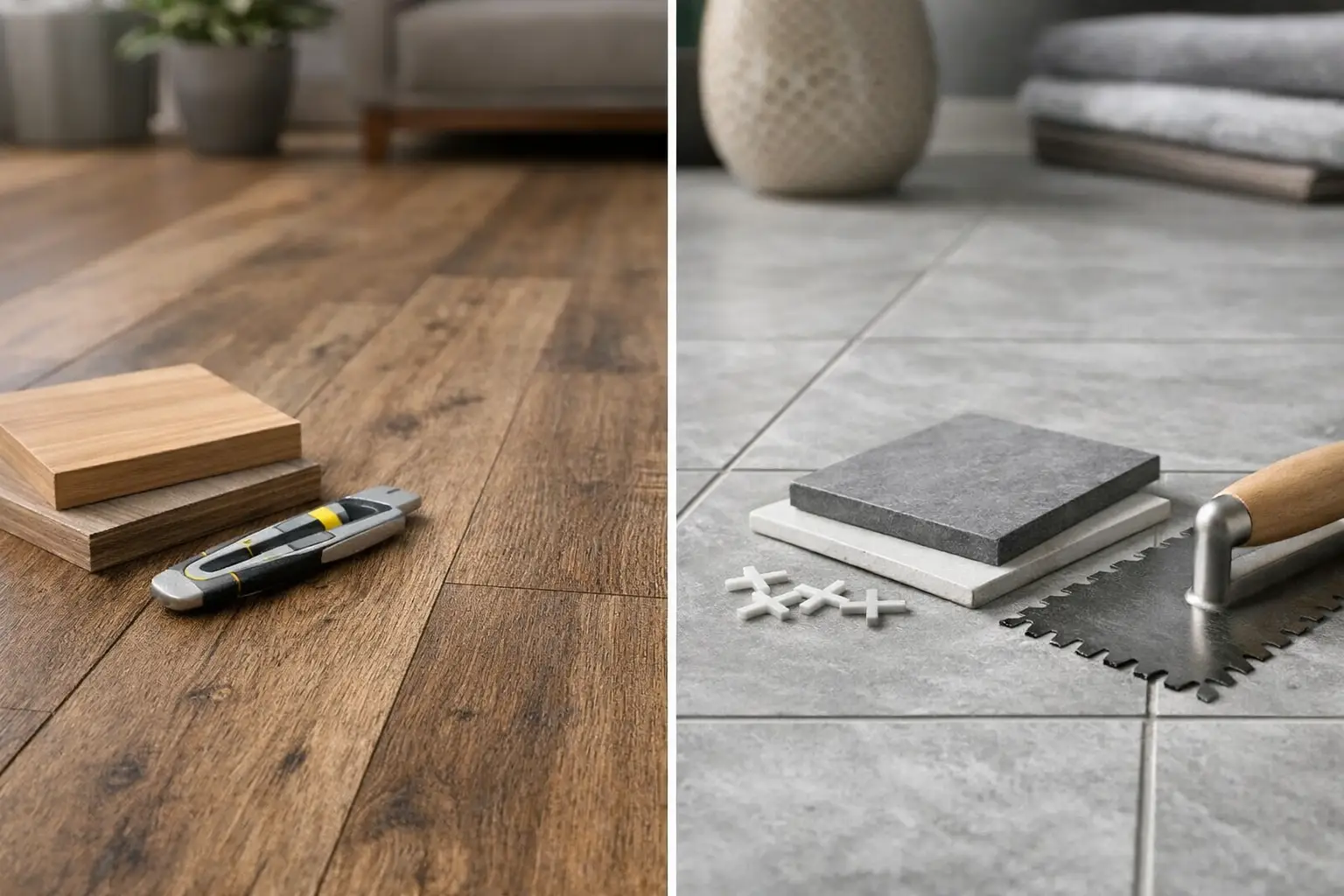
A kitchen floor can look great in a showroom and still be the wrong choice after a year of wet shoes, dropped pans, pet traffic, and daily cleanup. When homeowners compare vinyl plank versus tile, the best option usually comes down to the room, the condition of the subfloor, the household's priorities, and the budget for installation - not just the pattern or color.
Both materials can work well in Florida and Alabama homes. Tile offers a long service life and a hard, polished finish. Luxury vinyl plank offers warmth underfoot, a faster installation process in many homes, and a practical wood-look style. Knowing where each material performs best helps prevent an expensive flooring decision from becoming a repair project later.
Vinyl Plank Versus Tile: The Main Differences
Vinyl plank flooring is a manufactured product with a durable wear layer over a printed design layer and a waterproof core or backing. Many options are designed to resemble hardwood, including realistic grain patterns, knots, and plank widths. Most vinyl plank floors install as floating click-lock systems, although glue-down products are also available.
Tile is typically ceramic or porcelain. It is installed with thinset mortar over a properly prepared subfloor, then finished with grout. Porcelain is generally denser and less porous than ceramic, making it a common choice for bathrooms, entryways, and other areas exposed to frequent moisture.
The difference is easy to feel. Tile is hard, cool, and highly stable. Vinyl plank has more give, feels warmer, and can be more forgiving when something hits the floor. Neither is automatically better. A homeowner who wants a classic, long-lasting bathroom floor may lean toward porcelain tile, while a family updating a busy living area may prefer the comfort and continuity of vinyl plank.
Water Resistance and Moisture Performance
Both vinyl plank and tile are strong choices around water, but their weak points are different.
Quality vinyl plank is often marketed as waterproof. The planks themselves can handle spills, wet feet, and routine mopping without swelling like traditional wood flooring. That makes it a practical choice for kitchens, laundry rooms, bathrooms, and homes with pets. However, water can still get beneath a floating floor through gaps at walls, damaged seams, or poorly sealed transitions. Moisture trapped underneath may affect the subfloor or lead to odor and mold concerns.
Tile is not damaged by ordinary water exposure, especially porcelain tile. The grout joints, installation details, and condition of the underlying substrate matter most. In a shower or a bathroom with recurring leaks, tile needs proper waterproofing below the surface. Tile and grout alone do not stop water from reaching the structure underneath.
For a standard bathroom floor, either option can work when installed correctly. For a shower floor, shower walls, or an area with continual standing water, tile with a proper waterproofing system is usually the more appropriate material.
Comfort, Appearance, and Daily Use
Vinyl plank is easier on feet and joints than tile. That difference becomes noticeable in kitchens where someone spends time cooking, washing dishes, or preparing meals. It is also quieter underfoot, which can be useful in bedrooms, hallways, and upper-level rooms.
Tile can feel cold, particularly in the morning or during cooler weather. Area rugs help, and radiant floor heating can improve comfort during a larger remodel. Tile's hardness is also a benefit in some settings: it resists dents from furniture and handles heavy traffic well. The trade-off is that dropped dishes are more likely to break, and standing on tile for long periods can be tiring.
Style is personal, but it should also fit the room. Vinyl plank creates a continuous wood-look surface that can make connected living spaces feel more open. Tile provides more design flexibility through shape, size, texture, and layout. Large-format tile can create a clean, modern look, while smaller tile may offer better grip in certain wet areas.
Durability and Repair Considerations
Porcelain tile can last for decades when the subfloor is stable and the installation is done properly. It resists scratches, fading, and most household stains. Its biggest vulnerability is impact. A heavy object can chip or crack a tile, and movement in the subfloor can cause cracked grout or tile.
Vinyl plank stands up well to normal household traffic, scratches, and spills, especially when a product has a substantial wear layer. Still, it is not indestructible. Sharp furniture legs, dragged appliances, deep gouges, and direct sunlight can damage or discolor some products. Lower-quality planks may show wear faster in high-traffic areas.
Repairs are also handled differently. A damaged vinyl plank can sometimes be replaced, but it may require removing planks from the nearest wall or carefully cutting out a glued plank. Replacing a cracked tile is possible, though matching the original tile years later can be difficult. Keeping a few extra planks or tiles after installation is a smart move for either flooring type.
Installation Is Where the Decision Often Changes
The visible flooring is only part of the job. The subfloor determines whether the new surface will stay flat, secure, and free of movement.
Vinyl plank can often be installed more quickly than tile, particularly when the existing floor is level and in good condition. Some products can go over certain existing floors, but that does not mean every surface should be covered. Loose tile, water-damaged wood, uneven concrete, or soft spots need to be addressed first. Vinyl plank can telegraph imperfections from below, and uneven areas may cause joints to separate over time.
Tile installation is more labor-intensive. The floor needs to be clean, flat, and stable, and wood-framed floors may require an appropriate underlayment or uncoupling system. Tile also adds height and weight, which can affect door clearances, appliance openings, and transitions into nearby rooms. Grout must cure, and the installation takes more planning than a simple floating floor.
In older homes around Tallahassee, Marianna, Dothan, and nearby communities, subfloor repairs are common during flooring work. A professional assessment can reveal moisture damage, floor movement, or uneven areas before new materials cover the problem.
Cost: Look Beyond the Price per Square Foot
Vinyl plank often has a lower upfront material and installation cost than tile, especially for a straightforward floating-floor installation. It can be a good value for larger spaces where homeowners want an updated appearance without the labor involved in tile work.
Tile prices vary widely. Basic ceramic tile may be affordable, while porcelain, natural stone looks, specialty patterns, and large-format materials can raise the total quickly. Labor, mortar, grout, underlayment, waterproofing, and subfloor preparation are significant parts of the final cost.
The lowest material price is not always the lowest project price. A room with an uneven floor may need preparation regardless of the flooring selected. Likewise, installing inexpensive flooring over a failing subfloor only delays the necessary repair.
Which Rooms Favor Vinyl Plank?
Vinyl plank is often a strong fit for living rooms, bedrooms, hallways, kitchens, laundry rooms, and finished basements. It works especially well when a homeowner wants one consistent floor across several connected rooms. Its softer feel and easier maintenance make sense for busy households with children, pets, or frequent guests.
It can also work in bathrooms, provided the room does not have ongoing leak issues and transitions around the toilet, tub, and doorway are handled carefully. Choosing a textured, slip-resistant product is worth considering in wet areas.
Which Rooms Favor Tile?
Tile is a reliable choice for bathrooms, entryways, mudrooms, and kitchens where long-term durability and water resistance are top priorities. It is particularly well suited to shower surrounds and shower floors when installed as part of a correctly waterproofed system.
Homeowners may also choose tile for high-traffic spaces because it holds its appearance well over time. If the room receives direct sunlight, tile has an advantage because it is less likely to fade than many vinyl products.
Make the Choice Based on the Whole Project
Choose vinyl plank when comfort, faster installation, wood-look style, and a practical budget are leading priorities. Choose tile when the room needs maximum long-term durability, a highly water-resistant finish, or a surface built for showers and heavy use.
Before purchasing either material, check the floor underneath, consider the room's moisture exposure, and think about how the space is used every day. A well-prepared subfloor and careful installation will do more for the life of your new floor than choosing the most expensive pattern on the shelf.