Can a Handyman Replace Flooring?
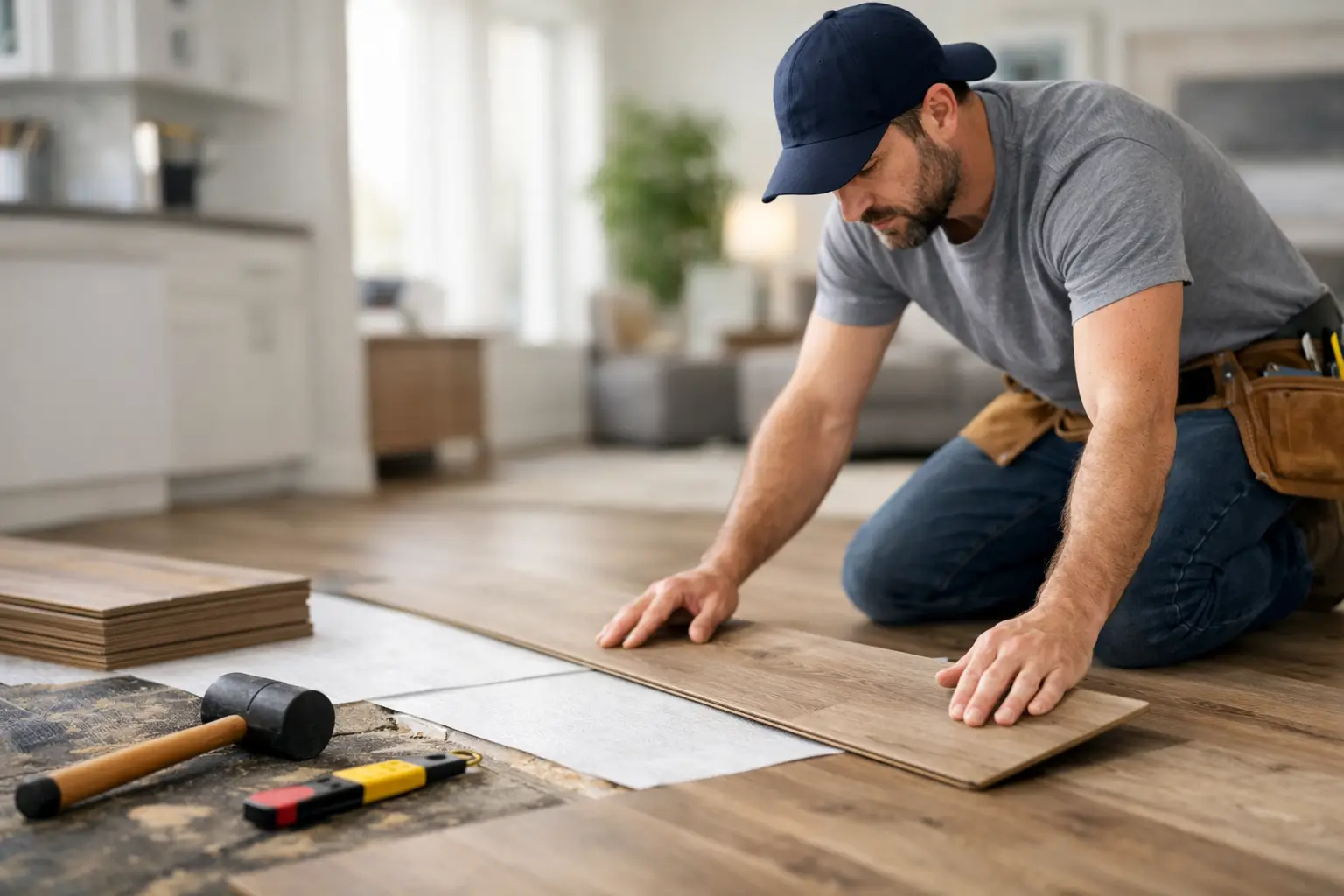
A floor that squeaks, lifts at the edges, or shows years of wear usually stops being a small annoyance fast. When homeowners ask, can a handyman replace flooring, the short answer is often yes - but the right answer depends on the material, the condition of the subfloor, and how involved the job really is.
Can a handyman replace flooring in your home?
In many cases, yes. A skilled handyman can replace flooring for straightforward residential projects, especially when the work involves removing old material, preparing the surface, and installing common flooring products in standard rooms. That can include laminate, vinyl plank, tile in some situations, and basic hardwood or engineered flooring, depending on the scope.
The key is not just whether a handyman can install the new floor. It is whether the full project includes underlying issues that push the job into more specialized work. Flooring replacement is rarely just about what you see on the surface. Water damage, uneven subfloors, structural movement, or complex transitions can change the scope quickly.
For homeowners in Tallahassee, Marianna, Dothan, and nearby areas, this matters because many homes have a mix of older materials, settling, moisture exposure, and past repairs. A floor replacement in a newer bedroom is very different from replacing flooring in an older bathroom, laundry room, or kitchen.
What flooring jobs a handyman can usually handle
A dependable handyman is often a strong fit for flooring projects that are practical, contained, and do not require major structural correction. If the existing floor comes up cleanly, the subfloor is sound, and the new material is designed for efficient installation, a handyman can usually take care of the work from start to finish.
Luxury vinyl plank is one of the most common examples. It is popular for good reason. It handles day-to-day wear well, works in many parts of the home, and installs more easily than some traditional materials. Laminate flooring also fits many handyman-level projects, especially in living rooms, bedrooms, hallways, and other dry areas.
Engineered wood can also be manageable when the floor layout is straightforward and the manufacturer installation requirements are clear. In smaller spaces, a handyman may also be a good choice for tile replacement or new tile flooring, although tile tends to be less forgiving than floating floor systems and often requires more precision in prep and layout.
Repairs are another area where a handyman often makes sense. If part of the floor is damaged, loose, cracked, or worn, replacing a section may be more practical than redoing the whole room. That kind of targeted work is often well within the skill set of an experienced home improvement professional.
When flooring replacement may need more than a handyman
There are times when the better move is to bring in a flooring specialist or another licensed trade, depending on the problem. The biggest issue is usually what is underneath the floor.
If the subfloor is rotted, sagging, badly uneven, or damaged by long-term moisture, the project may involve carpentry repairs before the new flooring can go down properly. If there is mold, plumbing leakage, or signs of structural weakness, those problems should be addressed first. Covering them up with new flooring only delays a bigger repair.
Material choice matters too. Natural stone, large-format tile, nail-down hardwood, or floors with detailed patterns often require a higher level of specialty installation. That does not mean a handyman cannot do quality work in these categories, but the margin for error is smaller, and experience with that exact product matters more.
There is also the question of local code and licensing requirements. Some flooring jobs overlap with other systems in the house. If baseboards, toilets, appliances, thresholds, or cabinetry need to be removed and reset, the job can expand. In certain cases, electrical, plumbing, or structural work may need a licensed contractor.
How to tell if your flooring project is a good handyman job
The simplest way to look at it is this: if the floor replacement is mostly surface-level and the room is in otherwise good condition, a handyman is often a practical choice.
A bedroom with old carpet being replaced by vinyl plank is usually straightforward. A hallway with worn laminate being updated is often straightforward too. A guest room, office, or living area with a solid, level subfloor is commonly a good fit.
A bathroom with signs of past leaks is less straightforward. A kitchen floor with soft spots near the sink or dishwasher deserves a closer look. If doors need to be trimmed, transitions rebuilt, or floor height changes addressed across multiple rooms, the project takes more planning and more skill.
That is why a site visit matters. An honest assessment should cover the visible flooring, the condition of the subfloor, moisture concerns, room layout, and the finish details that affect the final result. Good flooring work is not only about getting planks or tile in place. It is about how the floor feels underfoot, how it meets walls and doorways, and how well it holds up over time.
The trade-off between cost and complexity
One reason homeowners ask can a handyman replace flooring is cost. In many cases, hiring a handyman is more budget-friendly than going through a larger specialty company, especially for moderate-sized projects. That can be a smart choice when the work is clear, contained, and does not need a highly specialized install crew.
But lower cost should not mean cutting corners. If the cheapest route skips floor prep, ignores moisture issues, or rushes the finish work, the savings disappear when the floor starts separating, cracking, or wearing unevenly.
A good handyman helps you avoid that mistake by being direct about what the project actually needs. Sometimes that means saying yes, this is a solid handyman job. Other times it means recommending additional repairs before installation begins. That kind of honesty protects the home and the homeowner.
What to ask before hiring someone for flooring replacement
Before moving forward, ask what types of flooring the person installs regularly and whether they handle removal, prep, trim, and cleanup. Ask how they check for subfloor issues and what happens if damage is found after demolition starts.
It also helps to ask about transitions between rooms, undercutting door jambs, reinstalling baseboards, and moving or resetting appliances or fixtures if needed. Those details affect both price and quality. Flooring jobs often look simple from a distance, but the finished edges and prep work are where experience shows.
If you are comparing estimates, make sure you are comparing the same scope. One quote may include tear-out, disposal, leveling, and trim touch-up, while another may only cover the installation itself. A clear scope avoids surprises later.
For local homeowners, this is where working with a dependable regional company can make a difference. A provider like Sola Handyman Services is built around practical home improvement work, which is exactly the kind of experience that matters when a flooring job includes both installation and related repairs.
Why the right answer is sometimes yes, and sometimes not yet
So, can a handyman replace flooring? Yes, in many homes and for many common flooring types, a skilled handyman is the right choice. The project is especially well suited when the room is in good shape, the flooring product is straightforward to install, and the job does not involve hidden structural or moisture problems.
At the same time, not every floor should be replaced immediately just because the surface looks worn. If the real problem is underneath, the smarter move is to deal with that first and install the new flooring once the foundation is ready.
That is usually what homeowners want anyway - not the fastest answer, but the one that holds up. If your floor needs replacement, start with a clear evaluation of the room, the material, and the condition below the surface. The right professional should help you understand the scope before the first piece of old flooring comes up.
A good floor does more than improve how a room looks. It makes the home feel solid again, and that is worth doing the right way.