Is Water Damaged Drywall Repairable? Know the Signs
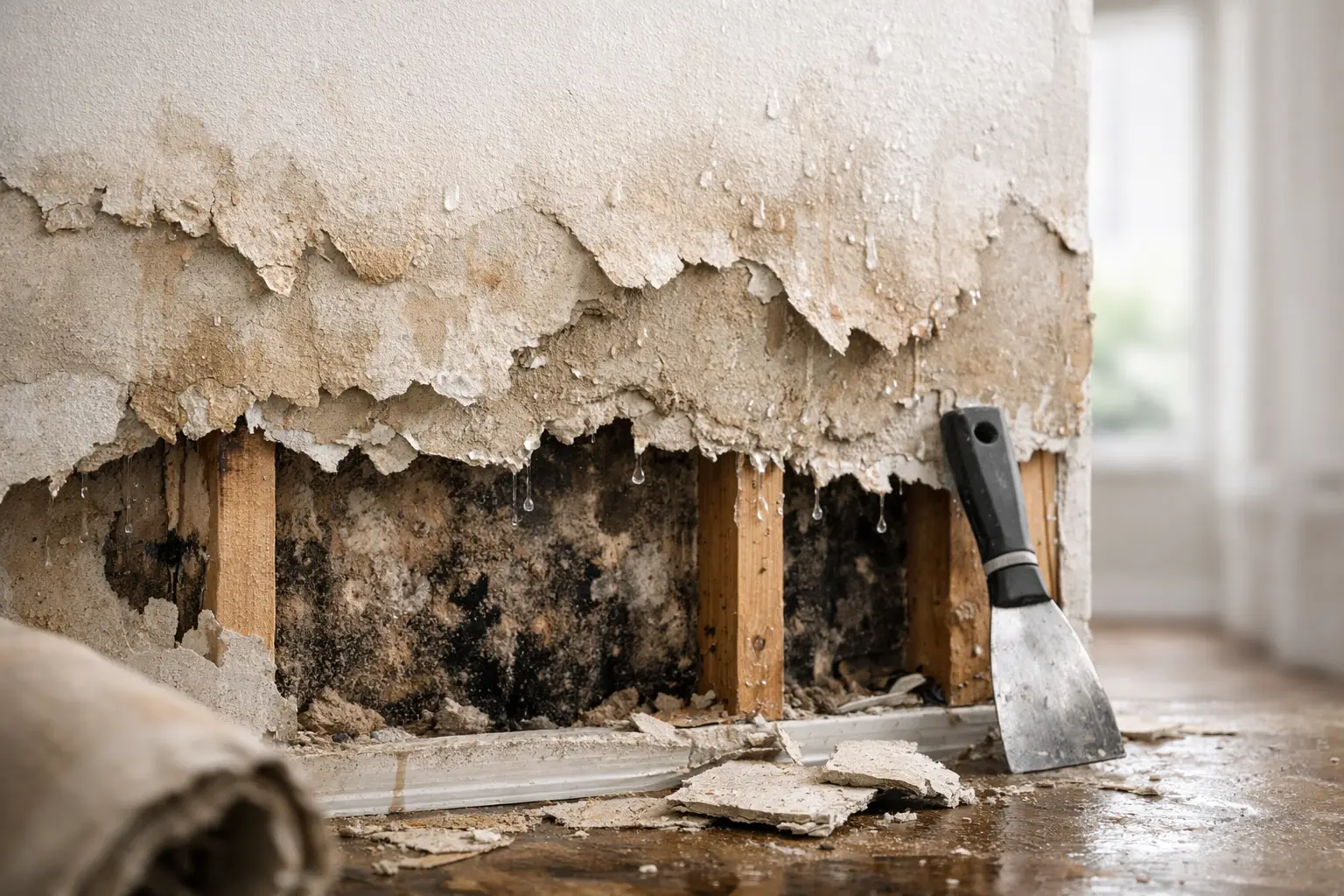
A brown ceiling ring below an upstairs bathroom or a soft spot near a window is more than a cosmetic problem. Homeowners often ask, “is water damaged drywall repairable?” The answer is sometimes, but only after the water source is stopped and the material has been checked for moisture, swelling, and mold. Repairing the visible stain without correcting the cause can lead to another leak, a larger repair, and damage hidden behind the wall.
Is Water Damaged Drywall Repairable?
Drywall can often be repaired when the affected area is small, the leak was brief, and the board has dried completely without losing its shape or strength. A minor water stain from a one-time roof leak, for example, may only need stain-blocking primer and paint after the roof is repaired and the drywall is verified dry.
Replacement is usually the better choice when drywall is soft, swollen, sagging, crumbly, or showing signs of mold. Drywall has a gypsum core covered by paper. Once that paper stays wet for too long, it can weaken and become a food source for mold. It may look acceptable from the room, while the back side of the board remains damp or contaminated.
The key question is not just how the wall looks. It is whether the drywall can still perform as a solid, clean surface after drying.
Start by Stopping the Water Source
No drywall repair will last if water is still getting into the home. Before patching, painting, or replacing a section, identify the cause. In homes around Tallahassee, Marianna, Dothan, and nearby communities, common causes include roof leaks after heavy rain, plumbing leaks under bathrooms or kitchens, failed window caulking, overflowing appliances, and condensation around HVAC equipment.
If water is actively dripping, shut off the water supply if a plumbing issue is suspected and protect the area below. Avoid cutting into a ceiling or wall near electrical wiring until the power to that area has been turned off. A ceiling that is visibly bulging with water needs prompt attention. The weight can cause the drywall to collapse unexpectedly.
Once the source is repaired, the affected materials need time and airflow to dry. Fans, dehumidifiers, and proper ventilation can help with small, clean-water incidents. Drying the surface alone is not enough. Moisture can remain inside wall cavities, insulation, framing, and the back of the drywall.
Signs Drywall Can Be Repaired
A repair may be practical if the drywall is firm, flat, and fully dry after the water issue has been corrected. A professional inspection is especially useful when water entered through a ceiling or behind a wall, since those areas are difficult to evaluate from the room side.
Minor damage is more likely repairable when the stain is limited to the paint surface, there is no musty odor, and the drywall has not softened. Small nail pops or hairline cracks that appeared after a brief moisture event may also be repairable once the area is dry and stable.
For a simple stain, the process may involve cleaning the surface, applying a quality stain-blocking primer, and repainting. If there is a small damaged section, it can be cut out, replaced with a properly supported drywall patch, taped, finished, sanded, primed, and painted to blend with the surrounding wall.
This approach works best when the water damage was caught quickly. It also depends on the water source. Clean water from a recently discovered supply line leak is different from water that has passed through dirty insulation, a drain line, or a roof cavity with long-term moisture.
When Water-Damaged Drywall Should Be Replaced
Replacing damaged drywall is often more cost-effective than trying to save it. Drywall is relatively inexpensive, but the labor involved in repeated patching, mold cleanup, and repainting can add up quickly if the underlying board has already failed.
Replacement is generally recommended when you see several of these warning signs:
- The drywall feels soft, spongy, or crumbly when pressed.
- The surface is swollen, warped, bubbling, or pulling away from fasteners.
- A ceiling is sagging, bowed, or showing a large water-filled bulge.
- There is visible mold, a persistent musty smell, or staining that returns after cleaning and priming.
- The leak was ongoing, involved sewage or contaminated water, or soaked insulation behind the drywall.
Ceilings deserve extra caution. Water-damaged ceiling drywall can lose strength quickly, and a large wet section can fall without much warning. Rather than covering a stain and hoping for the best, remove compromised material, inspect the framing above, and replace the section once the area is dry.
Mold Changes the Repair Plan
Mold is one reason a small water problem can turn into a larger project. Mold can begin growing within a short time when wet materials remain damp, particularly in warm, humid conditions. A small amount of surface mildew may be manageable, but extensive growth or mold inside a wall cavity requires more careful removal and cleaning.
Do not simply paint over mold. Paint may hide discoloration for a while, but it does not remove the growth or correct moisture conditions. The affected drywall may need to be removed so the framing and insulation can be inspected. Any wet insulation should also be evaluated, because it can hold moisture against framing and make thorough drying difficult.
If you have respiratory sensitivities, see widespread mold, or suspect contamination from sewage or floodwater, it is wise to bring in qualified restoration or remediation help. Health and safety should come before a cosmetic repair.
What a Proper Drywall Repair Includes
A lasting repair is more than installing a new piece of drywall. The work begins with locating and correcting the leak, then determining how far the moisture traveled. Damaged drywall is removed back to solid material, and the cavity is checked for wet insulation, mold, damaged wood, or plumbing issues.
After the area is dry, a new drywall section is installed with proper backing where needed. Joints are taped and finished in thin coats so the repair blends into the existing surface. Once sanded smooth, the area is primed and painted. On a ceiling or wall with older paint, painting the entire surface may give a better color match than touching up one small patch.
Texture can be the most noticeable part of the repair. Orange peel, knockdown, smooth walls, and older hand-applied textures all require different finishing techniques. A patch that is structurally sound can still look unfinished if the texture and paint sheen do not match the rest of the room.
Avoid These Common Shortcuts
Painting directly over a water stain is one of the most common mistakes. Even when the stain disappears temporarily, it can bleed back through standard paint. More importantly, paint does not tell you whether the drywall is dry or whether the leak has been fixed.
Another mistake is cutting out only the visibly damaged portion without checking beyond it. Water often travels along framing, pipes, and the back of drywall. The stain may mark the lowest point, not the full extent of the moisture.
Homeowners should also avoid delaying repairs to a sagging ceiling. What begins as a manageable replacement can become a cleanup and safety problem if the ceiling falls. If the source of water is uncertain, the drywall is soft, or the repair involves a larger ceiling area, professional help can save time and prevent repeat damage.
For homeowners who want dependable repair work, Sola Handyman Services can assess damaged drywall, replace compromised sections, and restore the finished look after the moisture issue has been addressed. A sound repair protects more than appearance - it helps keep the home dry, functional, and ready for the next season of rain.