How to Fix Drywall Cracks the Right Way
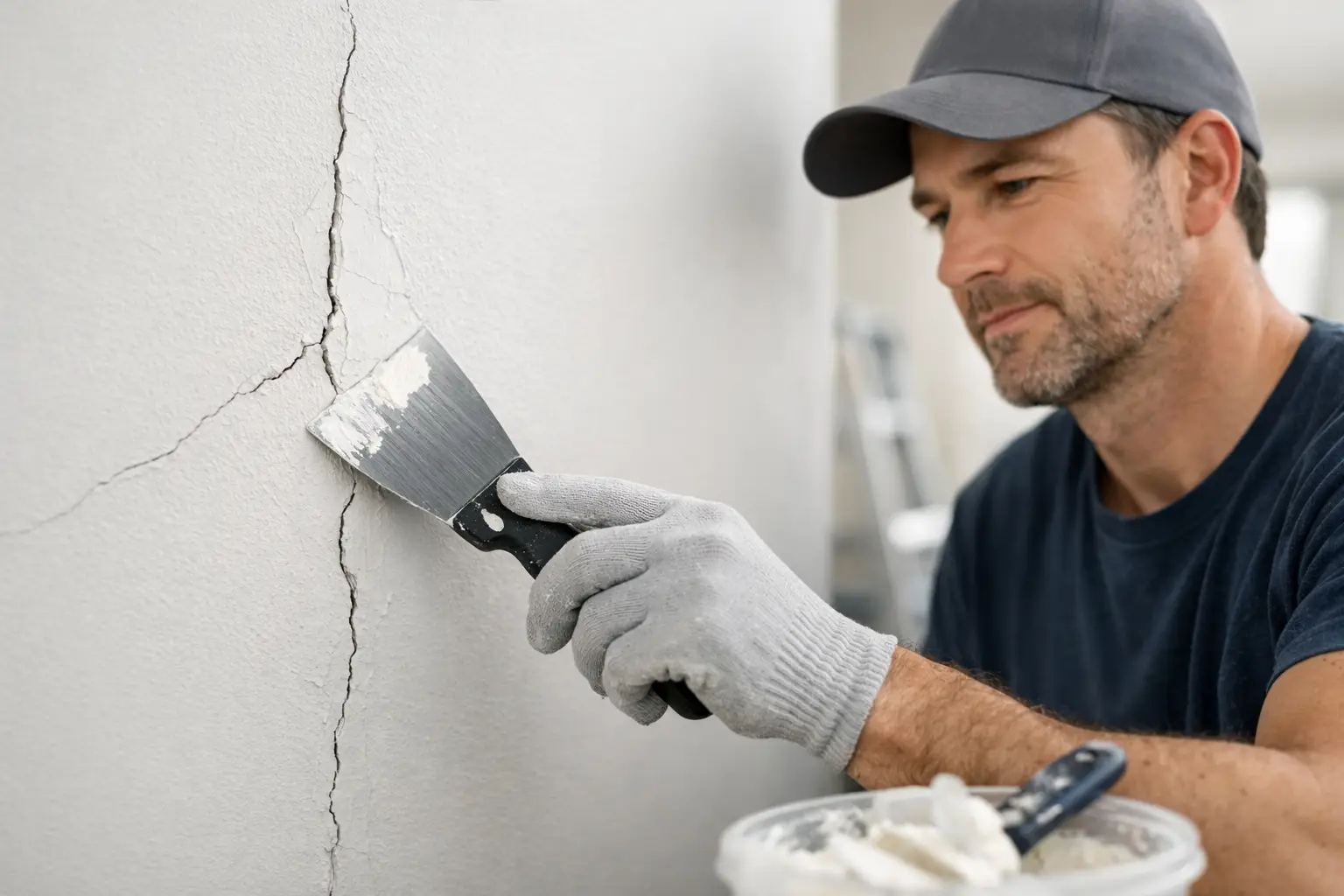
A crack running up the wall is easy to ignore until fresh paint makes it stand out even more. If you are wondering how to fix drywall cracks without wasting time on a patch that fails a few months later, the real key is matching the repair to the cause.
Some cracks are cosmetic. Others point to movement, loose tape, moisture, or framing issues. A clean-looking repair depends on knowing the difference before you start. That is what separates a quick touch-up from a repair that actually lasts.
What causes drywall cracks?
Drywall cracks usually show up for a reason. In many homes, the most common cause is normal settling. Houses shift a little over time, and that movement can stress drywall joints, especially above doors, near windows, and at the corners where walls meet ceilings.
Poor original finishing work is another common issue. If the drywall tape was not embedded well, or if too much joint compound shrank as it dried, the seam can crack later. In older homes, seasonal humidity changes can also play a role. Materials expand and contract, and weak joints tend to show it first.
Then there are the bigger concerns. Water damage can soften drywall and break down joint compound. Structural movement can cause wider, repeating cracks. If a crack keeps reopening after repair, or if doors and windows nearby start sticking, there may be more going on than a surface blemish.
Before you fix drywall cracks, check the size and location
Not every crack should be treated the same way. A thin hairline crack along a taped seam usually needs a different repair than a jagged crack spreading from a door frame.
Hairline cracks in flat wall areas are often straightforward. Cracks at inside corners can be a little more stubborn because those joints move more. Ceiling cracks are also trickier, partly because gravity works against the repair and partly because overhead seams tend to show imperfections more easily.
Width matters too. If the crack is very narrow and stable, a simple re-tape and finish may solve it. If it is wider than about 1/8 inch, keeps growing, or appears with sagging, staining, or nail pops, that is a sign to slow down and look closer.
Tools and materials for a lasting repair
Most drywall crack repairs use the same basic materials. You will typically need a utility knife, a putty knife or taping knife, sanding sponge or fine sandpaper, joint compound, drywall tape, primer, and matching paint.
For tape, paper tape usually gives a stronger seam repair than mesh for standard cracks, especially on flat joints. Mesh can work in some situations, but it is more likely to show through or crack if the underlying movement is not controlled. Setting-type joint compound can also be useful when you want a harder, faster-curing repair, though it takes a little more skill to use cleanly.
The biggest mistake homeowners make is trying to fill a crack with spackle or caulk and paint over it. That may hide the line for a short time, but if the seam underneath is loose, the crack usually returns.
How to fix drywall cracks step by step
Start by preparing the area. Use a utility knife to lightly open the crack and remove any loose compound, flaking paint, or lifted tape. This part feels backward to some homeowners because you are making the crack look worse before fixing it, but it gives the new material something solid to bond to.
Once the area is clean, check for movement. Press gently along the crack. If the drywall feels loose or the existing tape is bubbling, remove the failed section rather than covering over it. A repair is only as good as the surface beneath it.
Apply a thin bed of joint compound over the crack, then embed drywall tape into the wet compound. Paper tape should be pressed firmly so it lies flat without wrinkles or trapped air. After that, smooth a thin coat over the tape and let it dry fully.
When the first coat is dry, apply a second coat that extends a little wider beyond the repair. This helps blend the patched area into the surrounding wall. After that dries, add a final skim coat if needed to feather the edges and flatten any ridges.
Once everything is dry, sand lightly. The goal is a smooth transition, not aggressive sanding that exposes the tape. Wipe away dust, then prime the patched area before painting. Skipping primer is a common problem because joint compound absorbs paint differently than finished drywall, and the patch can flash through even if the crack is gone.
Repairing cracks at wall and ceiling corners
Inside corner cracks need extra care because those joints see more movement. In many cases, the old corner tape has loosened or the joint was never finished well in the first place.
The best approach is usually to cut away any loose material, apply fresh compound, and install new paper corner tape. Fold the tape cleanly at the center crease and press it into the corner with a drywall knife. Keep the coats thin. Heavy buildup in corners tends to look rough and is harder to sand cleanly.
Ceiling cracks follow the same general process, but application matters more because thick compound can sag. Thin, even coats are better than trying to finish it in one pass. If the crack runs across a ceiling seam and keeps coming back, it may point to framing movement or a failed joint that needs a more thorough repair.
When a drywall crack is more than cosmetic
Most drywall cracks are repairable without major reconstruction, but some are warning signs. A crack that is wide, diagonal, or paired with uneven floors, sticking doors, or gaps around trim may relate to movement in the house itself.
Water is another red flag. If the drywall feels soft, stained, or swollen, repairing the crack alone will not solve the problem. The moisture source has to be addressed first, whether that is a roof leak, plumbing issue, or condensation problem.
Recurring cracks also deserve attention. If you patch the same seam more than once and it keeps splitting, the issue may be a loose drywall panel, framing movement, or a poor original installation. At that point, a larger section may need to be opened and repaired correctly.
Common mistakes that make cracks come back
Most failed drywall crack repairs come down to a few avoidable problems. Covering the crack without removing loose material is one. Using the wrong filler is another. Caulk and lightweight patch products have their place, but they are not a reliable substitute for tape and joint compound on a moving drywall seam.
Rushing dry time also causes trouble. If coats are applied too thick or painted before fully curing, shrinkage and visible lines are more likely. Poor sanding and skipped primer can leave a repair that is technically fixed but still obvious every time the light hits the wall.
There is also the question of texture. If your walls or ceilings have an orange peel, knockdown, or hand-applied texture, the crack repair itself may be simple while the finish matching is what takes skill. That is often the difference between a patch you can spot from across the room and one that blends in.
When to call a professional for drywall cracks
If the crack is small and stable, many homeowners can handle the repair with patience and the right materials. But there are times when hiring help makes more sense.
If you have repeated cracking, ceiling damage, corner separation, visible water damage, or several rooms with the same issue, professional repair can save time and frustration. The same goes for homes where paint matching and texture blending matter. A solid drywall repair is not just about closing the crack. It is about making the wall look right again.
For homeowners in Tallahassee, Marianna, Dothan, and nearby communities, this type of repair often comes up alongside other maintenance work. That is where a dependable service provider can help address the wall damage and the surrounding finish work without turning a small problem into a drawn-out project.
A drywall crack may start as a thin line, but it usually tells you something about the wall, the finish, or the house itself. Fix the cause, use the right repair method, and you have a much better chance of not seeing that same crack again next season.