How to Seal Drafty Windows Before Winter
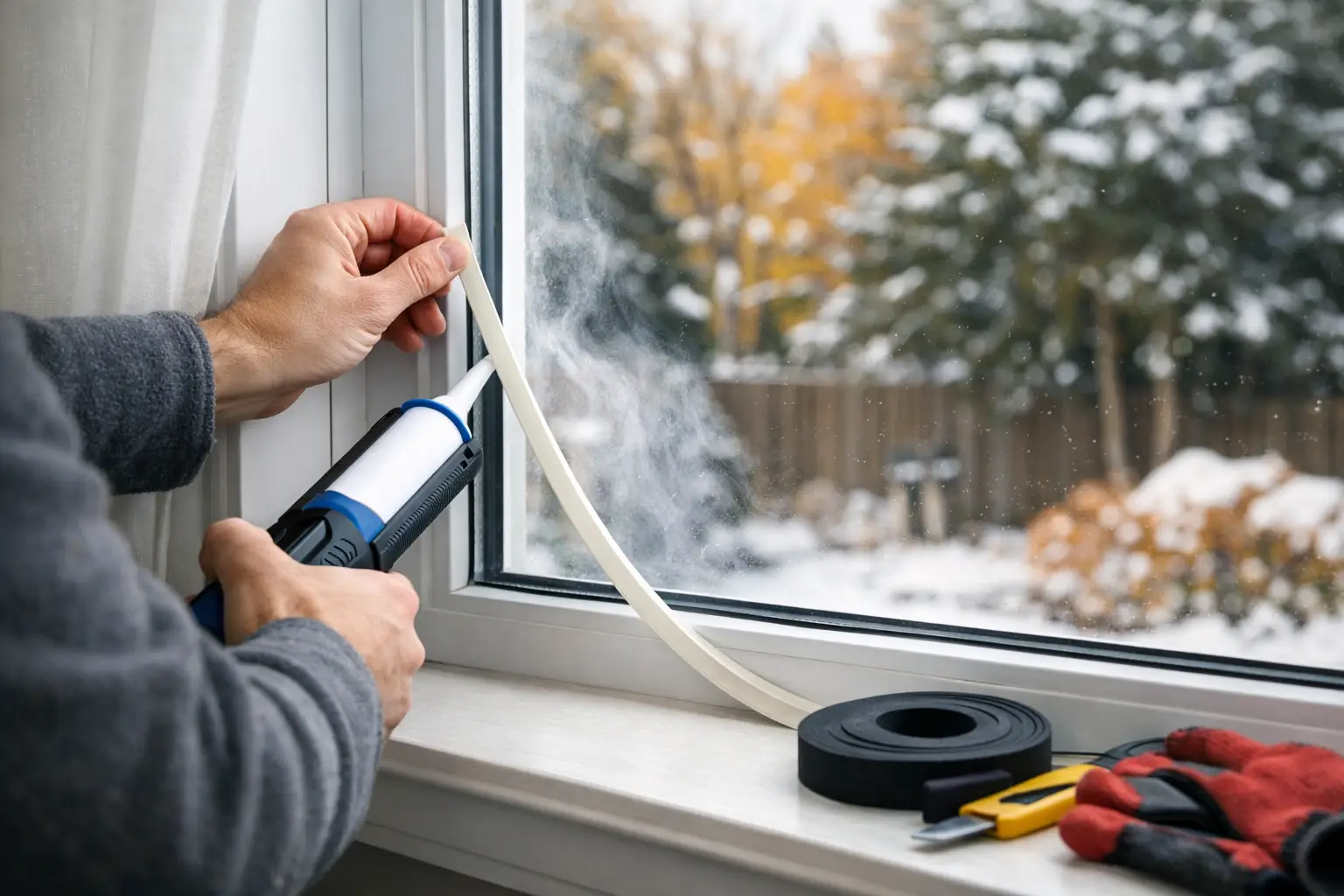
A cold spot beside a window, rattling glass on a windy day, or a room that never seems to hold its temperature usually points to the same problem: air leakage. Learning how to seal drafty windows can improve comfort, reduce strain on your heating and cooling system, and help protect your home from moisture around the window opening.
For homeowners in Tallahassee, Marianna, Dothan, and nearby communities, drafts are not only a winter concern. Hot, humid outdoor air can also enter through gaps during the summer, making rooms feel sticky and forcing the air conditioner to run longer. The right repair depends on where the air is getting in and whether the window itself is still in sound condition.
Find the Source of the Draft First
Do not start applying caulk or tape until you know where the leak is coming from. Air can enter at the moving parts of the window, around the frame, through damaged glazing, or from gaps hidden behind interior trim.
On a breezy day, slowly move your hand around the edges of the sash, lock area, and trim. You may feel a noticeable change in temperature or moving air. A thin piece of tissue can also help reveal a draft when it moves near a leak. Check both the interior and exterior sides of the window when possible.
Pay close attention to these common trouble spots:
- The gap between the movable sash and the window frame
- Worn or flattened weatherstripping along the tracks
- Cracked caulk around exterior window trim
- Loose, damaged, or missing glazing putty on older windows
- Gaps between the window frame and interior wall trim
- Windows that do not lock or close tightly
A window may have more than one issue. For example, replacing weatherstripping can stop air around the sash, but it will not fix a cracked exterior caulk joint that lets water and air reach the wall cavity.
How to Seal Drafty Windows at the Sash
The sash is the part of the window that moves or holds the glass in place. On double-hung, sliding, and casement windows, drafts often occur where moving pieces meet. Weatherstripping is usually the most practical solution because it blocks air while still allowing the window to operate.
Replace worn weatherstripping
Weatherstripping comes in several forms, including adhesive foam tape, V-strip, tubular vinyl, and compression seals. The best choice depends on the style and condition of the window. Foam tape is affordable and easy to install, but it can compress over time and may not last as long in areas exposed to heat and moisture. V-strip works well for narrow gaps along the sides of a sash, while tubular seals are often better for larger, uneven gaps.
Start by removing loose or deteriorated material. Clean the surface thoroughly and let it dry before applying adhesive-backed products. Measure each section carefully, and avoid stretching the strip during installation. A stretched strip can pull away later, especially in warm weather.
After installation, open and close the window a few times. The window should close firmly without requiring excessive force. If it becomes difficult to operate, the weatherstripping may be too thick or installed in the wrong location.
Check the lock and alignment
A window lock does more than provide security. On many windows, locking the sash pulls it tightly against the weatherstripping. If the lock is loose, misaligned, or broken, a small gap can remain even when the window appears shut.
Try locking the window and inspect whether the sash sits evenly in the frame. If one side is higher, the window may need adjustment or repair. Do not force a warped wood sash or a damaged vinyl frame into place. That can cause further damage and may break the glass or hardware.
Seal Gaps Around the Window Frame
Caulk is for stationary joints, not moving ones. It works well around exterior trim, interior trim, and other fixed gaps where air and water can enter. It should not be used between the sash and frame because it can permanently seal the window shut.
Use the right caulk in the right location
For exterior window joints, choose a high-quality exterior-rated caulk that remains flexible through changing temperatures and resists moisture. Silicone and hybrid sealants are durable options, though some are harder to paint. Paintable acrylic latex caulk can work well for protected trim joints, but make sure the product is rated for exterior use if applied outdoors.
Remove old caulk that is cracked, separated, or missing. A new bead applied over failing material may look better for a short time, but it will not create a dependable seal. Clean away dust and loose debris, then apply a smooth, continuous bead where the trim meets the siding, brick, or exterior finish.
Inside the home, small gaps between the window trim and wall can often be sealed with paintable interior caulk. This is especially helpful when you can feel air coming from behind the casing. Keep the bead narrow and neat so it can be painted for a finished appearance.
Be careful with large gaps
A wide opening around a window is more than a caulking job. Large gaps may need backer rod before caulk is applied, or they may indicate that the window was installed poorly or has shifted over time. Spray foam can be useful around window frames, but only low-expansion foam designed for doors and windows should be used.
Standard expanding foam can bow the frame, making the window hard to open or close. For this reason, homeowners should be cautious with foam insulation around older or already tight-fitting windows.
Add Temporary Insulation When Needed
Some draft problems need a longer-term repair, but temporary solutions can make a real difference during a cold spell or before a larger window project is scheduled.
Interior window insulation film is one option. The clear plastic film attaches to the interior trim with double-sided tape and is tightened with a hair dryer. It creates an insulating air pocket and can noticeably reduce drafts from older single-pane windows. It is inexpensive, but it changes the appearance of the window and must be removed if you need to open it.
Heavy, properly fitted curtains can also reduce the feeling of cold glass, particularly at night. They are not a substitute for weatherstripping or exterior caulk, but they can improve comfort in bedrooms and living areas with older windows.
Draft stoppers placed along a window sill may help with a small bottom gap. They are best viewed as a short-term measure. If air is entering from below the sash, the window likely needs weatherstripping, adjustment, or repair.
Do Not Ignore Moisture, Rot, or Broken Glass Seals
Air leakage sometimes signals a more serious window issue. Soft wood, peeling paint, stains on drywall, condensation between glass panes, or recurring water around the sill should be investigated before sealing everything up.
Rotten wood trim can no longer hold caulk reliably. A failed insulated-glass seal can cause fogging between panes, reducing visibility and energy performance. Water intrusion around the frame may damage insulation, wall sheathing, and interior finishes if left unaddressed.
Older wood windows can often be repaired rather than replaced, depending on the condition of the sash, glass, frame, and surrounding trim. Replacement may make more sense when the frame is severely deteriorated, the window no longer operates safely, or multiple components have failed. The best choice depends on the window's age, material, condition, and the cost of related carpentry work.
When to Call a Professional for Window Draft Repairs
Simple weatherstripping and minor interior caulking are manageable for many homeowners. Professional help is a better fit when the draft is tied to damaged framing, exterior rot, broken hardware, loose trim, water staining, or a window that will not close correctly.
A skilled handyman can identify whether the issue is limited to sealing or whether the window opening needs repair before new caulk, trim, or insulation is installed. Sola Handyman Services helps homeowners with practical window repairs, trim work, caulking, weatherproofing, and related home maintenance projects throughout the local area.
If you are working through several drafty windows, start with the rooms you use most and the openings with the strongest air movement. A properly sealed window should still open, close, lock, and drain as designed - and that is the difference between a quick patch and a repair that keeps your home comfortable season after season.