How to Fix Sagging Doors Without Making It Worse
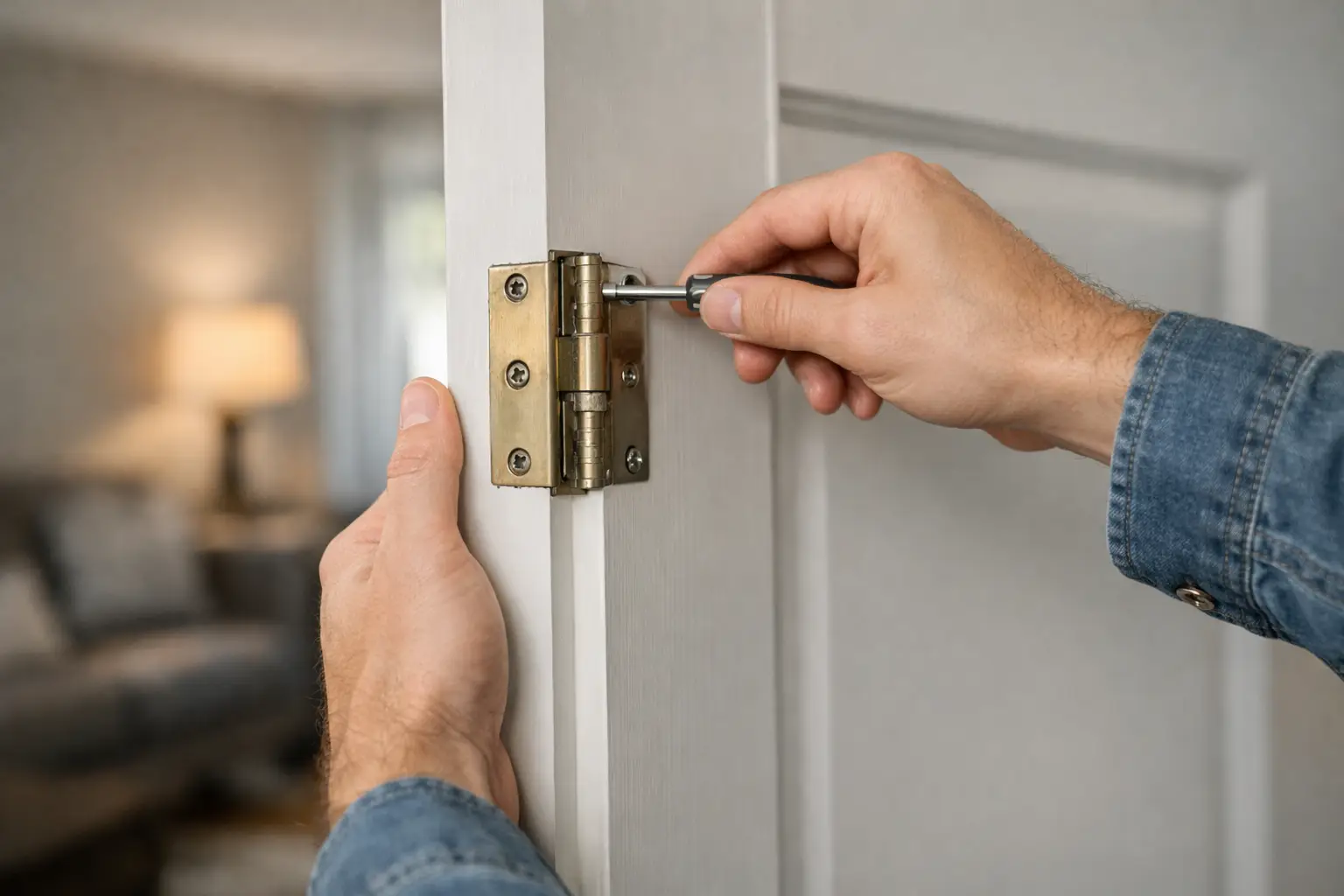
A door that drags across the floor, catches at the latch, or leaves an uneven gap at the top is more than an annoyance. It can damage flooring, strain the latch, reduce energy efficiency, and make a room feel unfinished. Knowing how to fix sagging doors starts with identifying what is actually moving: the hinge screws, the door frame, the door itself, or the foundation around the opening.
Most sagging door repairs are straightforward when caught early. The right fix depends on the cause, and a quick adjustment is often better than planing down a door that may only need a few secure screws.
Start by Finding Where the Door Is Rubbing
Close the door slowly and look at the gaps around all four sides. A healthy interior door usually has a fairly even reveal around the top and sides. If the upper latch-side corner rubs the frame while the gap at the top hinge-side corner is wide, the door has likely dropped because the hinges are loose.
Look for scuff marks on the floor, chipped paint on the jamb, or a latch that no longer lines up with the strike plate. These clues point to the direction the door is shifting. Open the door halfway and gently lift the handle. Noticeable upward movement usually means the hinges, hinge screws, or wood around the hinge screws need attention.
Before making changes, check for seasonal conditions. In Tallahassee, Marianna, Dothan, and nearby communities, heat and humidity can cause wood doors and frames to swell. A door that only sticks during wet weather may need a different solution than one that sags year-round.
Tighten the Hinge Screws First
Loose hinge screws are the most common reason a door begins to sag. Start with a screwdriver rather than a drill, especially on older doors. Tighten every screw on the top hinge first, then the middle and bottom hinges. The top hinge carries much of the door's weight, so even one loose screw there can throw the door out of alignment.
If a screw turns without tightening, the hole in the jamb may be stripped. Do not keep forcing it. Remove the screw and replace it with a longer wood screw, typically 2 1/2 to 3 inches long, that reaches through the jamb and into the framing behind it. Use a screw that fits the hinge hole and has a head that sits flush in the hinge.
This simple change can pull the hinge-side jamb back into position and raise the latch side of the door. Test the door after replacing one screw in the top hinge before changing anything else. Small adjustments can make a bigger difference than expected.
Repair Stripped Screw Holes When Needed
A longer screw is not always the right answer, particularly if the framing is not solid or the screw hole is damaged inside the door itself. For a stripped hole in a wood jamb, remove the loose screw, fill the hole with wood glue and tightly packed wood slivers or dowels, let it dry, then drill a small pilot hole before reinstalling the screw.
For a hollow-core door, take extra care. The wood blocking inside the door may be limited, and overtightening screws can damage the hinge area. If the hinge is pulling away from the door or the screw holes keep failing, a repair plate or professional door repair may be the better long-term choice.
Check the Hinges for Wear or Damage
A door can sag even when the screws are tight. Hinge pins wear over time, and hinges can bend after years of heavy use, repeated slamming, or a door that has been forced against an obstruction. Look for gaps between the hinge leaves, loose pins, rust, or hinges that no longer sit flat against the door and jamb.
Replacing worn hinges is usually more reliable than trying to straighten them. Choose hinges that match the existing size, corner style, finish, and number of screw holes. Replace one hinge at a time so the door remains supported and the new hinge lines up with the existing mortise.
For a heavy solid-wood exterior door, consider ball-bearing hinges. They handle weight better and provide smoother operation. Exterior doors also need hinges rated for outdoor conditions, since moisture and temperature changes can cause corrosion and movement.
Adjust the Strike Plate Only After the Door Is Aligned
When a sagging door will not latch, it is tempting to move the strike plate right away. That may make the latch catch, but it does not correct the underlying problem. If the door continues to drop, the misalignment will return and the latch may scrape or fail to engage securely.
First, tighten or repair the hinges and test the door. Once the door swings freely and the gaps are even, check the latch position. If it is still slightly high or low, remove the strike plate and adjust it carefully. You may need to file the opening a small amount or reposition the plate. Avoid cutting a large opening in the jamb, as that can weaken the latch area and reduce security.
When the Door or Frame Needs More Than an Adjustment
Not every sagging door is a hinge problem. A warped door may contact the frame at several points, even after the hinges are secured. Lay a straightedge across the door face or look along its edge to check for bowing or twisting. Wood doors exposed to moisture can warp, while manufactured doors may swell or delaminate near the bottom.
Frame movement is another possibility. Cracks in the drywall near the top corners of the opening, wide gaps between trim and wall, or several doors sticking in the same part of the house can indicate settling or moisture-related movement. In that situation, shaving the door may hide the symptom without solving the cause.
Exterior door frames deserve special attention. Water intrusion around trim, failed caulk, damaged thresholds, or rot in the jamb can cause the opening to shift. A door that is difficult to lock should not be ignored, especially at an entry door. Proper alignment affects both security and weather protection.
Planing or Sanding Is a Last Step, Not a First Step
If hinges and the frame are sound but a wood door still rubs consistently, careful planing may be appropriate. Mark the rubbing area with painter's tape or a pencil, remove the door, and take off only a small amount of material at a time. Seal and paint any freshly cut wood, especially on exterior doors, to prevent moisture from entering the exposed edge.
This approach works best for minor swelling or a door that was installed slightly tight. It is not the right fix for a door that has dropped at one corner. Removing material from the wrong edge can create a larger gap, make the door look uneven, and leave you with a problem that is harder to correct.
Know When to Bring in a Professional
A basic hinge repair is a reasonable homeowner project when the door is light, the screws are accessible, and there is no sign of structural damage. Call for professional help when the door is heavy, the frame is rotted, hinges are pulling loose, the opening is out of square, or the door is part of a larger remodeling or moisture issue.
Professional service is also worthwhile for exterior entry doors, French doors, doors with glass panels, and fire-rated doors. These installations require proper clearances and secure hardware. Incorrect repairs can affect weather sealing, security, or the door's safety rating.
Sola Handyman Services helps homeowners throughout the Tallahassee, Marianna, and Dothan areas address door alignment, damaged frames, hardware issues, and the related repairs that often come with them. A proper repair should leave the door swinging smoothly, latching securely, and looking like it belongs in the home.
A sagging door rarely improves on its own. Address it while the repair is still limited to screws, hinges, or a small adjustment, and you can protect the door, the frame, and the floor beneath it for years to come.