7 Best Bathroom Lighting Upgrades for a Brighter Home
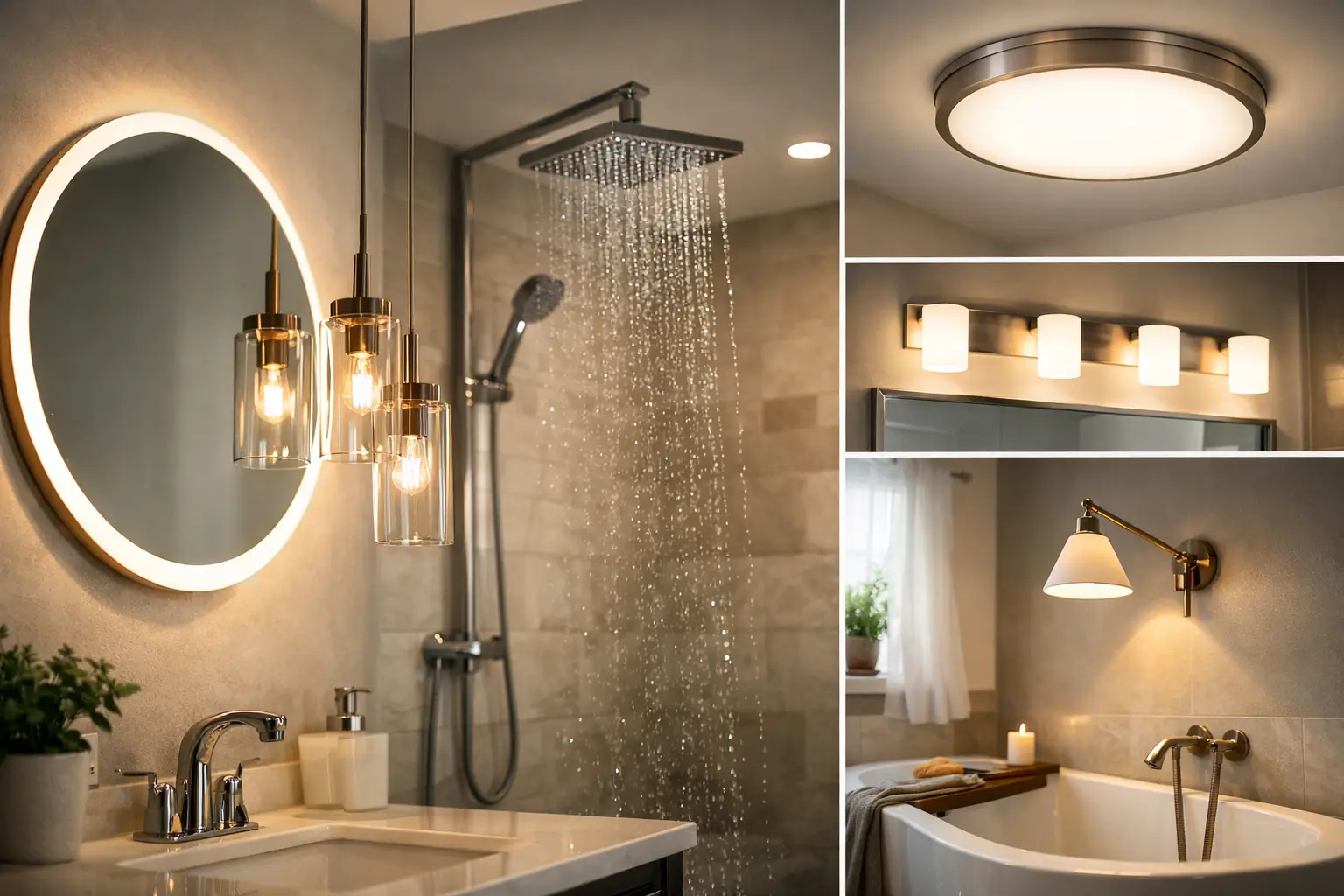
A vanity light that leaves your face in shadow can make even a clean, updated bathroom feel unfinished. The best bathroom lighting upgrades improve everyday tasks first: shaving, applying makeup, helping children get ready for school, and safely using the room after dark. They can also make a compact bathroom look larger and give an older space a more current, well-maintained appearance.
For homeowners in Tallahassee, Marianna, Dothan, and nearby communities, the right upgrade depends on the bathroom layout, the amount of natural light, and the condition of the existing wiring. A good plan uses more than one light source instead of relying on a single ceiling fixture to do every job.
Start With Layered Bathroom Lighting
Bathrooms work best with three types of light: task lighting for the mirror, ambient lighting for the overall room, and accent lighting for details such as a shower niche, toe kick, or decorative feature. Not every bathroom needs all three, but task and ambient lighting should be the starting point.
A common problem in older homes is one central ceiling light placed behind the person standing at the sink. That arrangement casts shadows across the face and makes grooming harder. Adding better mirror lighting while improving ceiling coverage creates a much more useful room without requiring a full bathroom remodel.
Before selecting fixtures, consider the size of the vanity, the mirror placement, ceiling height, paint colors, and whether the room has a window. Dark tile and deep wall colors absorb light, while glossy finishes can create glare. The goal is clear, comfortable illumination, not the brightest bulb possible.
7 Best Bathroom Lighting Upgrades
1. Install a Proper Vanity Light Above the Mirror
An overhead vanity fixture is one of the most practical upgrades for a bathroom that currently has poor mirror lighting. Choose a fixture that is proportionate to the vanity and mirror rather than one that feels undersized or crowded. As a general visual guideline, a vanity light is often somewhat narrower than the mirror or vanity itself.
Look for a fixture that spreads light evenly across the sink area. Multi-light bars, horizontal LED fixtures, and shaded fixtures can all work well. The best choice depends on the style of the room and the amount of supplemental lighting nearby.
An above-mirror light alone can still create some facial shadows, particularly if it is mounted high. That is why side lighting can be worth considering for bathrooms used frequently for detailed grooming.
2. Add Sconces on Both Sides of the Mirror
Wall sconces placed on each side of a mirror provide some of the most flattering and functional task lighting available. They distribute light across the face from both directions, reducing the harsh shadows produced by a single fixture overhead.
This upgrade works especially well with a larger rectangular mirror, a framed medicine cabinet, or a double vanity. Placement matters. Sconces should be positioned near face level when possible, while still allowing enough clearance around the mirror and faucet area.
Side sconces may require moving or adding electrical boxes, so this is a project that needs careful planning. In some homes, the wall framing, plumbing location, or mirror size makes a different solution more practical. A professional can help determine what is feasible before walls are opened or tile is disturbed.
3. Replace a Dim Ceiling Fixture With a Recessed Light
A recessed ceiling light can provide clean ambient light without taking up visual space. It is a strong option for smaller bathrooms, rooms with lower ceilings, or homeowners who want a less cluttered look. Recessed lights can also be positioned to brighten darker corners that a vanity fixture does not reach.
For bathrooms, use fixtures rated for damp or wet locations where required. A light installed directly above a shower or tub needs the correct wet-location rating and must meet local electrical requirements. This is not a place to use a standard trim kit simply because it matches the style of the room.
One recessed light may be enough in a small powder room. Larger bathrooms may benefit from two or more, especially when the shower area is separated from the vanity. Too many recessed lights, however, can make a bathroom feel flat and overly bright. Balance them with dedicated mirror lighting.
4. Upgrade to LED Bulbs With the Right Color Temperature
Changing bulbs is one of the simplest bathroom improvements, but selecting the wrong LEDs can make a good fixture perform poorly. For most residential bathrooms, bulbs in the 3000K to 4000K range offer a useful balance between warm comfort and clear task lighting.
A 2700K bulb gives off a warmer, softer light that may suit a traditional powder room but can appear too yellow for makeup or shaving. A 5000K daylight bulb is crisp and bright, yet some homeowners find it too cool or clinical for a relaxing primary bathroom. The middle range is usually easier to live with every day.
Pay attention to color rendering as well. Higher color rendering helps skin tones, paint, and finishes appear more natural. This matters at the mirror and can prevent the surprise of makeup or clothing looking different once you step outside.
5. Add a Dimmer for Better Control
A dimmer turns basic lighting into a more flexible system. Full brightness is helpful in the morning or when cleaning. Lower light is more comfortable for a late-night visit, a bath, or getting ready without waking a sleeping partner.
Make sure the dimmer is compatible with the fixture and LED bulbs being used. Incompatible components can cause flickering, buzzing, delayed response, or a limited dimming range. It is worth selecting quality dimmable bulbs and a switch designed to work with them.
For larger bathrooms, separating the vanity lights from recessed lights on different switches provides even more control. You can use bright mirror lighting without turning the entire room into a spotlight.
6. Install a Lighted Medicine Cabinet or LED Mirror
A lighted mirror or medicine cabinet can be a smart choice when wall space is limited. These products combine task lighting with a clean, modern appearance and may add storage where it is needed most. They are particularly useful in smaller bathrooms where adding separate sconces would crowd the wall.
The trade-off is that integrated fixtures can be more specialized to replace than a standard bulb-and-fixture setup. Homeowners should also check the mirror dimensions, mounting depth, electrical location, and whether the existing wall can support the unit. A recessed medicine cabinet may require opening the wall and checking for pipes or framing.
For the right bathroom, though, this single upgrade can improve storage, mirror visibility, and the overall look of the vanity area.
7. Choose a Bathroom Exhaust Fan With an Integrated Light
An exhaust fan with a built-in light is a practical upgrade for bathrooms that feel humid, dim, or both. Proper ventilation helps control moisture, reduce lingering odors, and protect paint, drywall, trim, and cabinetry from repeated damp conditions. The light adds useful coverage in the shower or toilet area.
Quiet fan models are worth considering, particularly in primary bathrooms and guest spaces. A fan that is loud enough to discourage regular use will not deliver its full benefit. Capacity also matters. A small powder room does not need the same airflow as a large bathroom with a shower, tub, and enclosed toilet area.
If the existing fan barely moves air or vents into an attic rather than outside, replacing the unit is only part of the job. Proper ducting and exterior venting are just as important for moisture control.
Details That Make an Upgrade Last
Bathroom fixtures must be selected and installed for a moisture-prone environment. Look for ratings appropriate to the fixture location, especially near showers and tubs. Electrical work should be handled safely and in accordance with applicable codes, including required ground-fault protection and secure mounting.
Finish selection also deserves attention. Brushed nickel, matte black, bronze, and chrome can all work well, but the fixture should coordinate with the faucet, cabinet hardware, and existing accessories. Exact matching is not always necessary. A deliberate mix of finishes can look good when the style and proportions remain consistent.
Consider maintenance before choosing decorative shades or fixtures with many exposed details. Clear glass looks sharp but shows water spots and dust more quickly. Frosted glass softens glare and can be easier to keep looking clean. In a family bathroom, simple fixtures often hold up better to frequent use.
Plan the Work Around Your Bathroom Layout
Lighting upgrades often overlap with other bathroom projects. Replacing a mirror, repainting walls, updating a vanity, installing new tile, or repairing drywall can all affect where fixtures should go. Planning the lighting before those finishes are complete can prevent avoidable patching and rework.
Sola Handyman Services can help homeowners assess practical bathroom improvements, coordinate fixture placement, and complete the repair or remodeling work needed to support a more functional space. For projects involving new circuits, relocated wiring, or code-specific electrical work, the right qualified electrical professional should be involved as needed.
Stand at your vanity at the time of day you use it most and notice where the shadows fall. That simple check usually points to the upgrade that will make the biggest difference, whether it is a better vanity fixture, side sconces, a dimmer, or improved ceiling light.