Aging in Place Handyman Upgrades That Matter
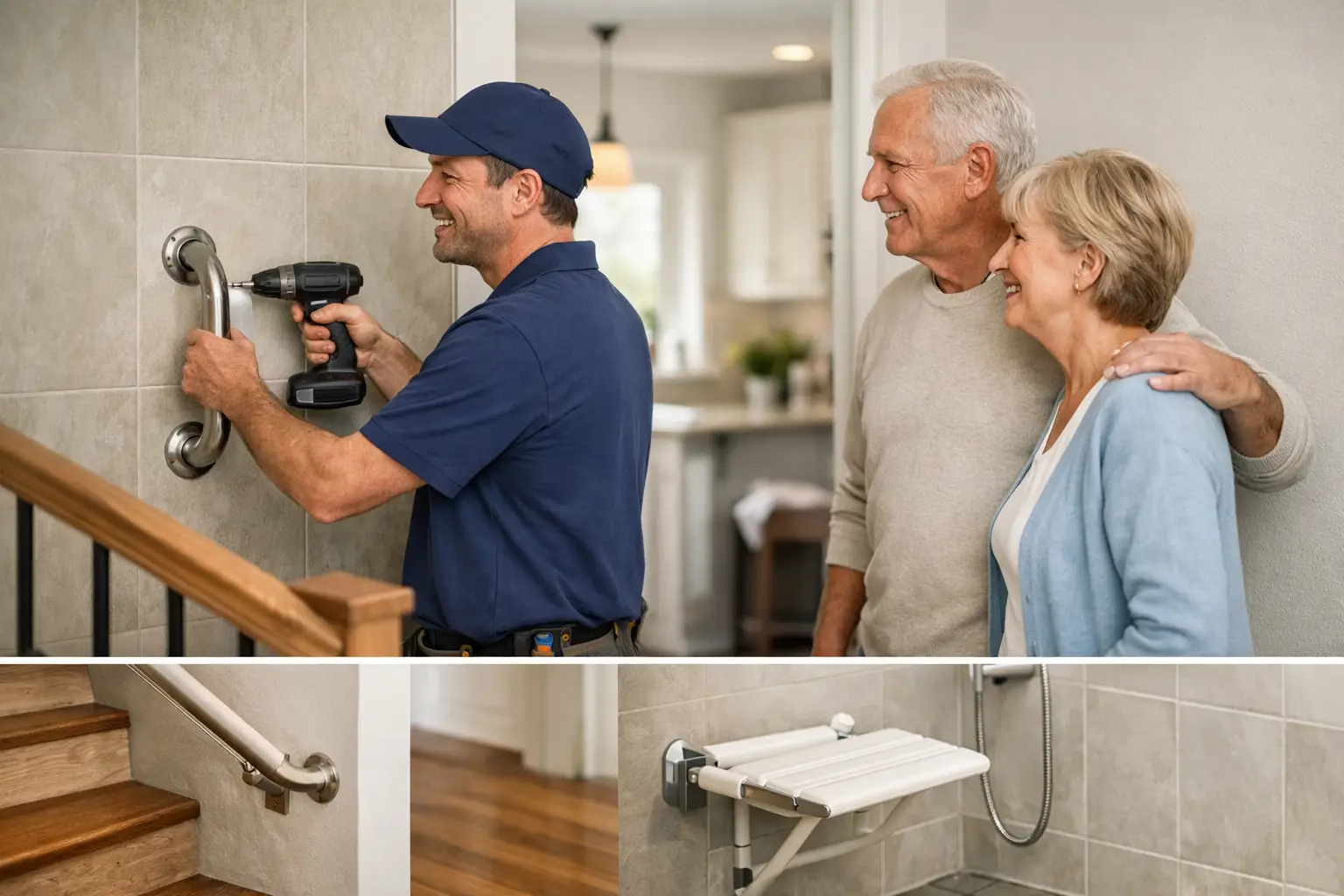
A loose stair rail, a slick tub floor, and a doorway that is just a little too narrow can turn ordinary routines into daily risks. An aging in place handyman helps homeowners address those issues with practical improvements that make a home safer, easier to use, and more comfortable for the long term.
For homeowners in Tallahassee, Marianna, Dothan, and nearby communities, aging in place does not have to mean a full renovation all at once. The right upgrades can be completed in stages, based on the home, the budget, and the needs of the person living there. The goal is straightforward: reduce unnecessary hazards while helping people remain independent in a familiar home.
What an Aging in Place Handyman Can Help With
Aging in place work focuses on function first. It is not about making a home look clinical or institutional. It is about improving how safely and comfortably someone can move through the spaces they use every day.
A skilled handyman can handle many of the repair and improvement projects that support that goal. This may include installing secure grab bars, repairing railings, widening certain doorways, adjusting doors that stick, adding brighter lighting, replacing worn flooring transitions, and improving access around entrances.
The best starting point is usually a walk through the home. Look at the route from the driveway to the front door, then consider the bathroom, kitchen, bedroom, hallways, and any steps. Small frustrations often reveal the areas that need attention. A homeowner may be able to manage a front step today, for example, but a handrail or low-rise step can prevent a future fall.
Some projects require a licensed specialist, permits, or structural work. Electrical panel upgrades, major plumbing changes, extensive bathroom remodels, and full ramp construction may fall outside a standard handyman scope depending on the project and local requirements. A dependable provider should be clear about what can be completed directly and when another qualified professional should be involved.
Start With Fall Prevention
Falls are one of the most common reasons homeowners begin making aging in place changes. The work does not always have to be complicated, but it does need to be done correctly. A grab bar that is poorly mounted or a railing that has not been properly secured can create a false sense of safety.
Bathrooms deserve early attention because water, smooth surfaces, and tight spaces create several risks at once. Properly anchored grab bars near the toilet and inside the bathing area provide steady support. A handheld showerhead, non-slip flooring, a shower seat, and easier-to-reach fixtures can also make a significant difference. For some homes, replacing a high tub wall with a lower-threshold shower is a larger but worthwhile remodeling project.
Stairs and exterior entries are another priority. Handrails should feel solid, extend where needed, and be easy to grip. Outdoor steps need stable surfaces, clear edges, and adequate lighting. Uneven concrete, loose boards, worn thresholds, and raised transitions should be repaired before they become trip hazards.
Inside the home, flooring should be consistent and secure. Loose carpet, curled vinyl, damaged tile, and area rugs that slide underfoot all deserve attention. Removing a tripping hazard is often more useful than adding a safety feature around it.
Improve Access Without Overbuilding
Many homeowners hear “accessibility” and picture a major construction project. Sometimes that is necessary, but often it is not. A thoughtful aging in place plan begins with the simplest changes that improve daily movement.
Door hardware is a good example. Lever handles are easier to operate than round knobs for people with arthritis, limited grip strength, or a hand occupied by a cane or walker. Doors that drag, catch, or require force to close should be adjusted or repaired. In some cases, changing the swing direction of a door can improve clearance in a bathroom or hallway.
Doorway width matters too. A walker may fit through an opening that is difficult for a wheelchair. If mobility equipment is part of the plan, measure it before making decisions. Widening a doorway can be a valuable upgrade, but it depends on wall framing, room layout, and how the home is used. It makes sense to prioritize the bathroom, bedroom, and main living areas rather than changing every opening at once.
Entry access should also be considered carefully. A ramp may be appropriate for a homeowner using a wheelchair or for someone who cannot safely manage steps. However, slope, drainage, available space, handrails, and local requirements all matter. For a single low step, a sturdy rail or a properly designed threshold solution may be enough. The right answer depends on the person and the property.
Make Everyday Rooms Easier to Use
The kitchen and bathroom are high-use spaces where small improvements can save time and reduce strain. The focus should be on reach, visibility, and usable work areas.
In a kitchen, cabinet pulls are generally easier to use than small knobs. Pull-out shelves, lower storage options, and repaired drawer slides can reduce bending and reaching. Better task lighting over counters and sinks helps homeowners see what they are doing. If remodeling is planned, consider clear floor space, comfortable counter heights, and appliance placement that does not require carrying heavy items across the room.
Bathroom improvements often provide the strongest return in daily comfort. Beyond grab bars and non-slip surfaces, an elevated toilet seat or comfort-height toilet can make sitting and standing easier. A vanity with open knee space may help a seated user, while a well-placed mirror and brighter lighting support grooming tasks. Moisture-resistant repairs are especially important because water damage can weaken floors and create hidden safety problems.
Bedrooms should support a safe path from the bed to the bathroom. That may mean adding night lighting, securing rugs, repairing uneven flooring, or relocating furniture that narrows the walking path. Closet rods, shelving, and storage can be adjusted so frequently used clothing and supplies are easier to reach.
Lighting Is a Safety Upgrade, Not Just a Cosmetic One
Poor lighting makes every other challenge in a home harder to manage. Dim stairs, shadowed hallways, and dark exterior paths can hide changes in floor level or obstacles in the way.
An aging in place handyman can replace outdated fixtures, add brighter bulbs where appropriate, install motion-activated lights, and improve lighting around entrances, walkways, bathrooms, and work areas. Light switches should be easy to reach from room entrances and near the bed. Night lights or low-level pathway lighting can be especially helpful for late-night trips through the home.
Outdoor lighting deserves the same attention. A well-lit driveway, porch, and walkway helps residents, family members, and visitors see steps, uneven surfaces, and changes in elevation before they become a problem.
Plan Improvements Around Real Life
The most useful aging in place projects are based on the homeowner's current routines, not a generic checklist. Ask practical questions. Where do they carry groceries? Which bathroom do they use most? Is laundry on another floor? Do they avoid certain rooms because of a step, a heavy door, or poor lighting?
It also helps to think ahead without spending beyond what the home needs right now. A homeowner may start with railings, grab bars, repaired flooring, and better lighting. Later, they may choose a bathroom remodel, doorway modification, or entry improvement. Completing work in phases can make the budget easier to manage while still addressing immediate safety concerns.
Quality installation matters as much as choosing the right upgrade. Sola Handyman Services can help homeowners identify practical repair and improvement work that supports safer, more comfortable living without treating every project like a major remodel.
A home should continue to work for the people who know it best. Addressing one unstable rail, one difficult doorway, or one poorly lit path at a time can make everyday life feel more secure for years to come.