Who Installs Countertops? Find the Right Pro
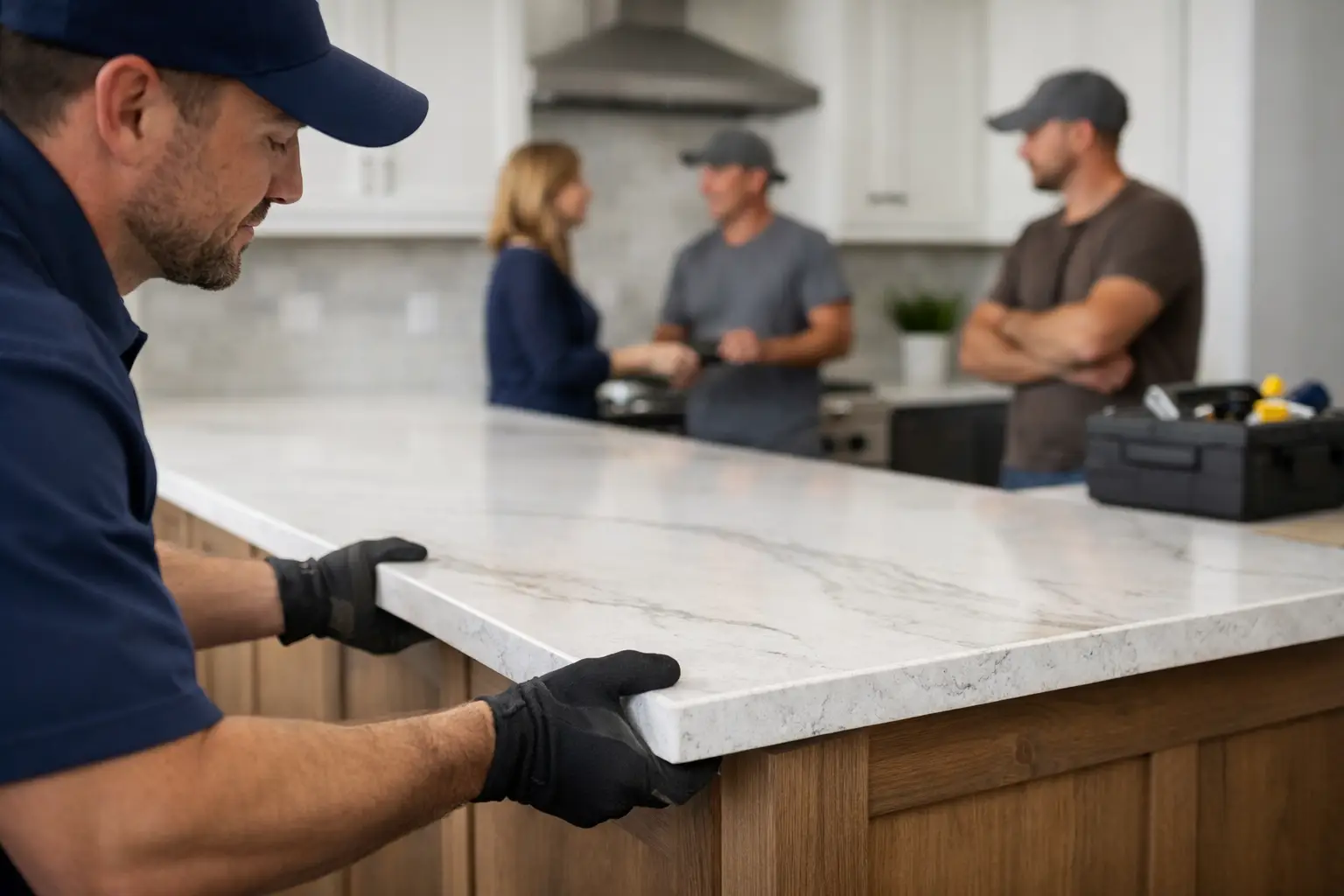
A new countertop can make an older kitchen or bathroom feel finished, but the material is only part of the project. Homeowners often ask who installs countertops because the right answer depends on the material, the condition of the cabinets, and whether plumbing, backsplash work, or other updates are involved.
A dependable installer does more than set a slab in place. They measure accurately, protect your cabinets, account for seams and overhangs, and make sure the finished surface is secure, level, and ready for final connections. Choosing the right professional helps prevent costly delays, damaged materials, and a countertop that does not fit the room properly.
Who Installs Countertops for a Home Project?
Countertop installation may be handled by a countertop fabricator, a kitchen remodeling contractor, a general contractor, or an experienced handyman or home improvement professional. The best choice depends on the scope of the job.
For natural stone, engineered stone, and many custom solid-surface countertops, the fabricator often handles installation. These materials require precise templates, specialized cutting equipment, and careful transportation. The company that measures and fabricates the slab is usually best positioned to install it because they are responsible for making the material fit correctly.
For laminate, butcher block, prefabricated vanity tops, and some smaller countertop replacements, a skilled handyman or remodeling professional may be the right fit. These projects can involve removing the old top, adjusting cabinets, cutting openings for a sink or cooktop, securing the new surface, and installing trim or backsplash.
A kitchen or bath remodeler is often the better choice when countertops are only one piece of a larger update. If you are replacing cabinets, changing the layout, moving plumbing, updating flooring, or adding tile, one remodeling team can coordinate the sequence of work and keep the project moving.
The Material Matters More Than Many Homeowners Expect
Not every countertop is installed the same way. Weight, edge details, seams, cutouts, and support requirements can change the type of professional you need.
Granite, Quartz, and Marble
Stone and quartz countertops are heavy, costly, and difficult to alter once fabricated. Installers typically create a template after cabinets are secured and level. The finished pieces are then delivered, set carefully, seamed where needed, and fastened with approved materials.
The cabinets beneath the countertop must be structurally sound and level. A small cabinet issue can become a major problem when a heavy slab is installed over it. If cabinet repairs, shimming, or reinforcement are needed before the template appointment, handle that work first.
Marble deserves additional consideration. It can be more prone to staining and etching than quartz or granite, so homeowners should understand the maintenance needs before selecting it. Installation may be similar to other stone products, but the decision to use marble should match how the kitchen or bathroom will be used.
Laminate Countertops
Laminate is a practical, budget-friendly choice for kitchens, laundry rooms, workshops, and bathrooms. It is lighter than stone and can often be installed with fewer specialized tools. Still, accurate cutting is essential, particularly around sinks, walls, and corners.
A laminate top can be a good fit for a handyman or remodeling professional when the layout is straightforward. However, damaged cabinets, uneven walls, or unusual angles can add complexity. A clean installation depends on proper support, secure fastening, and careful caulking around sinks and wall edges.
Butcher Block and Wood Countertops
Wood countertops bring warmth to a kitchen, but they require careful handling around water. The installer must allow for natural wood movement, seal cut edges, and make sure the surface is properly supported. Openings around sinks need special attention because standing water can damage unprotected wood.
Butcher block can work well for islands, bar tops, and selected kitchen work areas. It is not always the lowest-maintenance option, especially in busy kitchens where water exposure is common. Discuss sealing and ongoing care before installation begins.
Solid Surface, Tile, and Prefabricated Vanity Tops
Solid-surface materials may be installed by certified fabricators or trained installers, depending on the product. Tile countertops are generally handled by tile professionals or remodelers because success depends on a solid substrate, correct layout, and durable grout work.
Prefabricated vanity tops are common in bathroom updates. An experienced home improvement professional can often remove the old top, set the new one, secure it, and prepare it for the plumber to reconnect the faucet and drain. The right approach depends on the vanity condition and whether the new top matches its dimensions.
What Countertop Installation Usually Includes
Homeowners should ask what is included before scheduling the work. Installation can mean very different things from one provider to another.
For a simple replacement, the work may include removing the existing countertop, preparing the cabinet base, setting the new surface, cutting or fitting the sink opening, and applying caulk where the countertop meets the wall. For fabricated stone, the installer may template, deliver, set, seam, and secure the slabs, while another professional handles plumbing connections.
Disconnecting and reconnecting plumbing is frequently separate from countertop installation. The same is true for electrical work involving cooktops, outlets, or lighting. If a sink, faucet, garbage disposal, or cooktop must be removed or reconnected, ask early who will handle each task.
Backsplash installation is another item to clarify. Some countertop installers include a short matching stone backsplash, while tile backsplash work is often a separate service. Knowing the full sequence helps avoid a finished countertop with unfinished walls or delayed sink connections.
When a Handyman Is the Right Choice
A handyman or home improvement professional is often a practical choice when the project is smaller, the countertop material is manageable, or the job includes related repairs. For example, you may need to replace a damaged laminate top, install a prefabricated bathroom vanity top, repair cabinet supports before a new countertop arrives, or update trim after the installation.
This option can be especially helpful when you do not need a full kitchen renovation but still want professional workmanship. A qualified provider can assess the cabinets, identify issues that may affect installation, and complete the supporting work that keeps the project on track.
For heavy quartz, granite, marble, or custom stone slabs, use the fabricator or a specialist for the actual slab installation. A handyman can still be valuable before and after that stage by handling cabinet adjustments, drywall repairs, backsplash preparation, trim, and other finishing work.
Questions to Ask Before You Hire
Before choosing an installer, ask whether they have experience with your specific countertop material and whether they will inspect the cabinets before installation. Confirm who is responsible for measurements, removal, cutouts, delivery, plumbing disconnection, and final cleanup.
It is also wise to ask how they handle walls that are not straight, cabinets that are out of level, or unexpected damage found after the old countertop is removed. Older homes often have conditions that are not visible until demolition begins. A professional should explain the likely solutions rather than promising that every project will be simple.
Request a clear scope of work in writing. This should identify the material being installed, the areas included, any related repairs, and tasks that are specifically excluded. Clear expectations protect both the homeowner and the contractor.
Prepare the Space Before Installation Day
Clear dishes, small appliances, and personal items from countertops and nearby cabinets. Make sure the crew has a clear path from the entrance to the work area, especially for large countertop pieces. Keep children and pets away from the workspace while materials are being moved and cut.
If plumbing or electrical fixtures must be disconnected, schedule that work in advance. It is also smart to plan for limited kitchen or bathroom use during the installation period. Even a straightforward replacement may leave a sink unavailable until final connections are complete.
For homeowners in Tallahassee, Marianna, Dothan, and nearby communities, Sola Handyman Services can help with the repair and preparation work that often comes before or after a countertop upgrade. The goal is a functional, finished space, not just a new surface sitting on old problems.
The best countertop project starts with an honest look at the material, the cabinets beneath it, and the work needed around it. Get the right professional involved early, and your new countertop can look better, fit better, and serve your home well for years.