When to Replace Windows: 9 Signs It’s Time
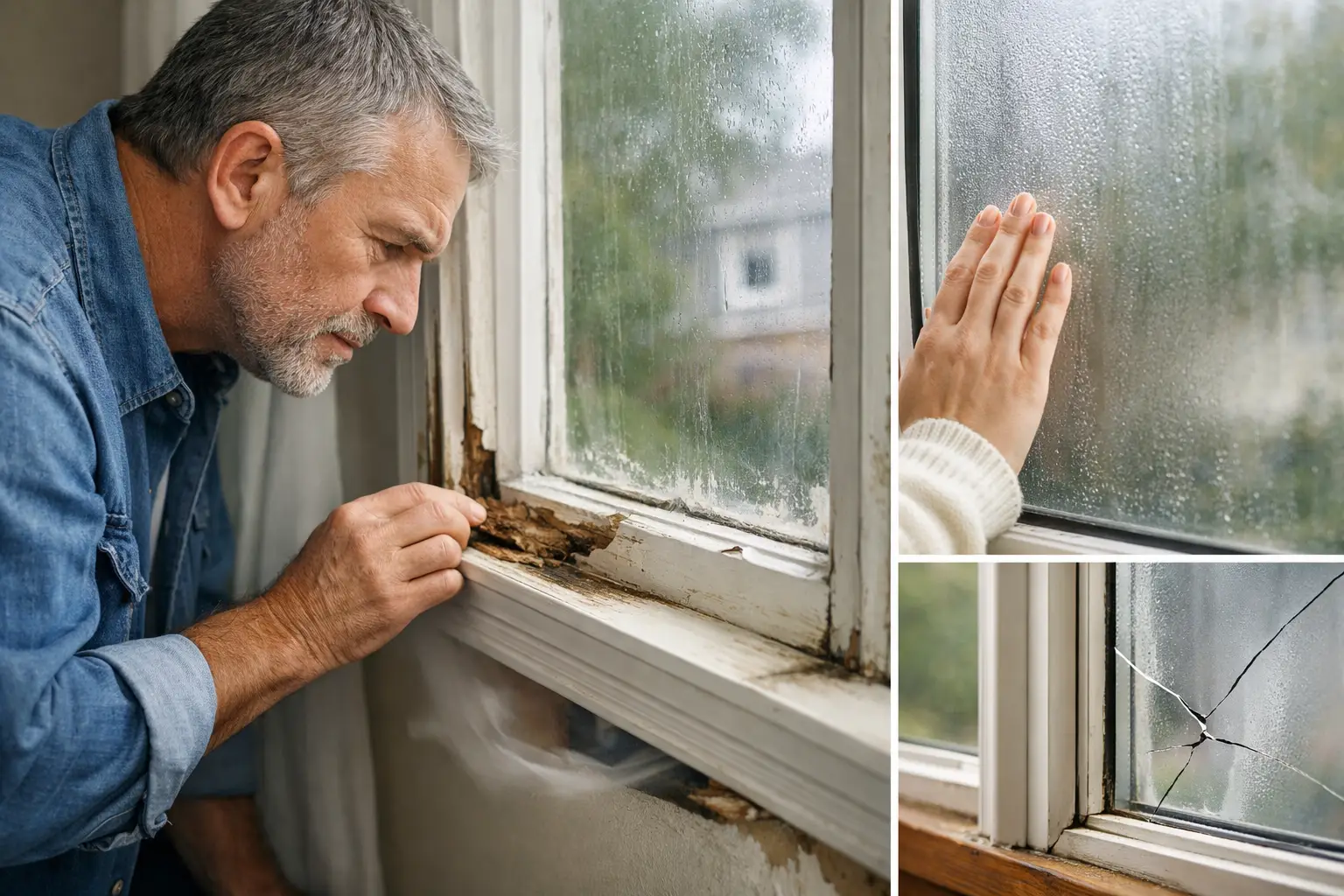
A window that sticks on a humid afternoon may seem like a minor nuisance. But when it also lets in water during a hard rain, fogs between the panes, or makes one room noticeably hotter than the rest of the house, the problem deserves a closer look. If you are wondering when to replace windows, the answer usually comes down to condition, performance, and whether a repair will actually solve the issue.
For homeowners in Tallahassee, Marianna, Dothan, and nearby communities, windows handle plenty of heat, moisture, thunderstorms, and seasonal temperature swings. A good window should open safely, close tightly, keep water outside, and support the comfort and appearance of your home. When it stops doing those jobs, replacement may be the practical choice.
When to Replace Windows Instead of Repairing Them
Not every window problem calls for a full replacement. Loose hardware, a worn screen, damaged weatherstripping, or a small area of deteriorated caulk can often be repaired. These are targeted issues, and addressing them early can extend the life of an otherwise sound window.
Replacement makes more sense when the trouble involves the frame, sash, glass seal, or overall operation of the unit. If the same windows need repeated fixes, a repair can become money spent on a short-term solution. The goal is not to replace windows simply because they are old. The goal is to correct problems that affect your home’s safety, weather protection, comfort, and value.
1. The Windows Are Hard to Open, Close, or Lock
A window should operate without excessive force. If it sticks, will not stay open, drags in the frame, or refuses to lock, start by checking for paint buildup, damaged hardware, or debris in the track. Those issues may be repairable.
However, recurring operation problems can point to a warped frame, moisture damage, foundation movement, or a failing sash. A window that will not lock is more than an inconvenience. It can affect home security and make it harder to create a weather-tight seal.
2. You Feel Drafts Near the Window
A noticeable draft is one of the clearest signs that a window is no longer sealing properly. On a hot Florida or Alabama day, that warm air can make rooms uncomfortable and force your cooling system to work harder. In cooler weather, the same gaps allow conditioned air to escape.
Before replacing a window, check the caulk around the exterior trim and the weatherstripping around the sash. If those materials are failing, repairs may help. If the draft continues despite sound caulking and weatherstripping, the window itself may be worn, poorly fitted, or damaged.
3. There Is Condensation Between Glass Panes
Condensation on the room-side surface of a window can happen when indoor humidity is high. That does not automatically mean the window has failed. Condensation between panes, though, is different.
Most modern insulated windows use sealed glass units with two or more panes. When that seal breaks, moisture can enter the space between the panes and create a cloudy, fogged, or streaked appearance. The insulating performance drops, and the view does not improve with cleaning. In some cases, the glass unit can be replaced. If the frame and operating components are also aging, replacing the entire window is often the better long-term investment.
4. Water Is Getting Inside
Water stains on the sill, peeling paint around the trim, soft wood, or damp drywall near a window should be addressed quickly. Water can lead to rot, mold growth, and damage that extends beyond the window opening.
The source is not always the window itself. Failed exterior caulk, damaged siding, roofing issues, or improper flashing can direct water into the wall. A proper evaluation should identify where the water starts before any replacement work begins. Installing a new window without correcting the surrounding moisture problem can leave the home vulnerable to the same damage.
5. The Frames Are Rotting, Cracked, or Warped
Wood windows can last for many years when maintained, but persistent moisture can cause rot around frames, sills, and trim. Vinyl frames may crack or warp with age and heat exposure. Aluminum frames can corrode or develop problems with seals and hardware.
Small surface damage may be repairable. Soft wood, deep rot, frame separation, or visible warping usually indicates a more serious failure. Once the frame cannot hold the window square and secure, replacement protects the opening and provides a better base for exterior trim and sealing.
6. Outside Noise Seems Louder Than It Should
No residential window blocks every sound. Still, older single-pane windows, failed seals, and loose-fitting units often allow more traffic, neighborhood, and yard noise into the home than newer insulated windows.
If noise is a concern, replacement windows with insulated glass and quality installation can make a noticeable difference. The result depends on the wall construction, gaps around the opening, and the glass package selected. A higher-performing window can help, but it should be paired with careful sealing and trim work.
7. Your Energy Bills Keep Climbing
High utility bills have many possible causes, including HVAC equipment, attic insulation, duct leaks, and thermostat settings. Windows should not be blamed automatically. But if certain rooms feel hot near the glass, drafts are present, or older windows are visibly failing, they may be part of the problem.
Replacement windows can improve comfort and reduce unwanted heat transfer, particularly when replacing single-pane or damaged units. The savings vary by home, window type, orientation, shading, and how well the new windows are installed. Homeowners should view replacement as a comfort, maintenance, and protection decision as well as an energy decision.
8. The Glass Is Cracked or the Window Is Damaged
A cracked pane should not be ignored, even when the crack seems small. It can weaken the glass, allow moisture into the unit, and create a safety concern. Broken locks, bent frames, damaged sashes, and missing glazing are also reasons to act promptly.
For a newer window in otherwise good condition, replacing the glass or hardware may be enough. For an older unit with multiple problems, replacement avoids spending money on a window that is already near the end of its useful service life.
9. You Are Remodeling or Improving Curb Appeal
Sometimes the right time to replace windows is during a larger project, not after a failure. Exterior painting, siding repairs, kitchen remodeling, room additions, and trim upgrades can all create an efficient opportunity to address old windows.
New windows can improve a home’s appearance, bring in more natural light, and make a room feel more finished. They can also support practical changes, such as replacing a difficult-to-use window with a style that is easier to operate. The key is choosing a window that fits the home’s architecture, opening size, and maintenance needs rather than selecting based on appearance alone.
Choosing Replacement Windows for Local Homes
The right replacement window is not always the most expensive one. Homeowners should consider frame material, glass performance, ease of cleaning, appearance, and expected maintenance. Vinyl windows are commonly chosen for low maintenance and value. Wood offers a traditional look but requires more upkeep. Fiberglass and composite options can provide durability, though costs may be higher.
Window style matters too. Double-hung windows are familiar and versatile. Casement windows can provide a tight seal and easy operation. Sliding windows work well in certain openings, while picture windows maximize the view and daylight but do not open for ventilation.
In North Florida and South Alabama, look closely at weather resistance and proper installation. Heavy rain and wind can expose weak caulking, poor flashing, and gaps around a window quickly. The installation details matter as much as the window product. A properly sized, level, sealed, and finished window helps prevent water intrusion and protects the surrounding wall.
Plan the Project Before the Damage Spreads
If one window has serious rot or water damage, inspect nearby windows as well. Homes built or renovated during the same period often have similar materials and wear patterns. That does not mean every window must be replaced at once. Many homeowners prioritize the worst areas first, then plan additional replacements over time.
Take note of where you see drafts, moisture, fogged glass, peeling paint, or operating problems. Clear observations help a professional determine whether the work involves a simple repair, trim and caulk correction, glass replacement, or a full window replacement. Sola Handyman Services can help homeowners assess related trim, siding, interior repair, and finishing work so the project addresses more than just the visible symptom.
A window should not be a constant source of drafts, leaks, or frustration. Addressing the problem before moisture damages the surrounding structure can protect your home, improve daily comfort, and give you a practical plan for the work ahead.