Top Repairs After Home Inspection to Expect
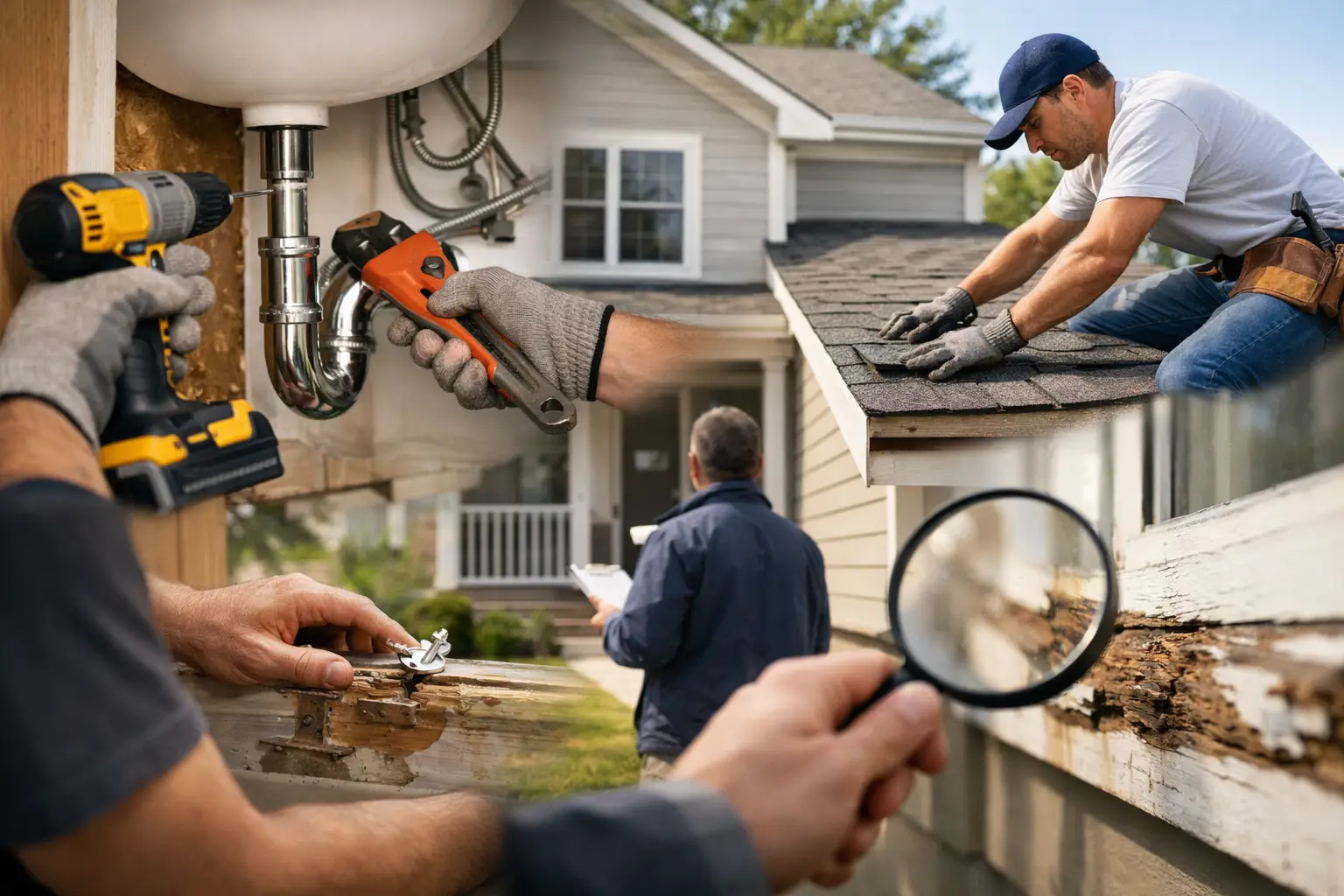
A home inspection report can turn a smooth sale or purchase into a fast list of decisions. The top repairs after home inspection usually come down to safety, water damage, electrical concerns, roofing issues, and everyday systems that show wear. Some items are simple fixes. Others affect financing, insurance, or whether a buyer is comfortable moving forward at all.
For homeowners in Tallahassee, Marianna, Dothan, and nearby areas, the key is not treating every inspection note the same. A loose door handle and a leaking roof may both appear in the report, but they do not carry the same urgency. The smartest approach is to separate cosmetic issues from repairs that affect structure, function, and safety.
What inspectors most often flag
Most inspection reports include a mix of major defects, maintenance concerns, and minor observations. That can make the report feel longer and more alarming than it really is. In practice, buyers, sellers, and contractors tend to focus on a smaller group of problems that either need prompt repair or often become part of negotiations.
The top repairs after home inspection are usually tied to the parts of the home that protect everything else - the roof, plumbing, electrical system, HVAC, windows and doors, and areas where moisture has already caused damage. These are the issues that can spread, become more expensive, or raise safety concerns if left alone.
Top repairs after home inspection that matter most
Roof leaks and damaged roofing materials
Roof problems sit near the top of most inspection reports for a reason. Missing shingles, soft spots, flashing damage, and visible leaks can quickly lead to interior water damage, wood rot, insulation problems, and mold growth. Even a small issue around a vent pipe or roof penetration can become a larger repair if water keeps getting in.
Not every roof note means full replacement. Sometimes the right fix is a targeted repair to flashing, shingle sections, or sealant failure around problem areas. The trade-off is timing. A smaller repair is often enough if the roof still has useful life left, but a roof near the end of its lifespan may continue generating issues even after patchwork.
Plumbing leaks and water damage
Leaking supply lines, slow drains, stained ceilings, damaged shut-off valves, and worn fixtures are common findings. Inspectors also flag soft flooring near toilets, active drips under sinks, and signs that previous leaks were covered cosmetically instead of repaired properly.
Water is one of the most expensive problems to ignore because it affects more than one system at once. A plumbing leak can damage cabinets, subfloors, drywall, trim, and paint. If there is visible staining or swelling, the repair usually needs more than a basic plumbing fix. It may also require carpentry and wall repair to fully correct the damage.
Electrical hazards
Electrical findings tend to get attention quickly because they raise immediate safety concerns. Common issues include loose outlets, double-tapped breakers, outdated panels, exposed wiring, missing cover plates, nonfunctioning switches, and GFCI protection missing in kitchens, bathrooms, garages, or exterior locations.
Some electrical repairs are straightforward, while others need a licensed electrician depending on the scope and local code requirements. The important point is that buyers rarely want to inherit avoidable electrical risk. Even smaller items can become negotiation points because they suggest the system has not been maintained carefully.
HVAC problems
Heating and cooling issues often appear when a system is aging, poorly maintained, or not performing consistently. Inspectors may note dirty components, poor airflow, duct concerns, condensation issues, damaged drain lines, or units that do not heat or cool as expected.
An HVAC issue does not always mean replacement. In many homes, the better first step is diagnosis and repair. But if the unit is older and already struggling, a seller may need to decide whether a repair is enough to get through closing or whether replacement makes more sense for long-term value.
Rotten wood and exterior deterioration
Exterior wood rot is common around trim, fascia, soffits, siding, columns, decks, and door frames, especially in humid climates. Inspectors often find deterioration where paint has failed or moisture has been allowed to sit over time.
This is one of those problems that looks minor until you open it up. Surface damage can sometimes be repaired with targeted carpentry, but deeper rot may require replacement of affected sections. The reason it matters after an inspection is simple: wood damage rarely improves on its own, and buyers know it can point to hidden moisture issues.
Damaged drywall, ceilings, and interior finishes
Cracks, stains, soft spots, and patched areas show up in many reports. Some are purely cosmetic. Others suggest settling, leaks, or impact damage that should be addressed before listing or closing. Ceiling stains, in particular, create concern because buyers immediately assume there is an active or recurring leak.
This is where context matters. A repaired leak with an old stain is different from fresh damage caused by an ongoing problem. The cosmetic repair only helps if the source issue has already been fixed. Otherwise, the stain comes back, and so does the concern.
Doors, windows, and safety hardware
Sticking doors, broken locks, failed latches, damaged weatherstripping, fogged windows, and missing handrails are common inspection notes. These may not sound major, but they affect security, energy efficiency, and basic function.
Handrails and guardrails matter more than many sellers expect because they can be considered safety items. The same goes for doors that do not latch properly or windows that will not open as intended. These repairs are often relatively manageable, but they help remove friction from the inspection response.
How to prioritize repairs after an inspection
The best way to handle a report is to work in order of risk. Safety issues come first. Active water intrusion is next. After that, focus on systems that affect habitability or create ongoing damage, such as electrical, plumbing, or HVAC concerns. Cosmetic repairs come later unless they are tied to a larger problem.
For example, repainting a damaged ceiling should wait until the leak above it is fully repaired. Replacing trim should wait until the moisture source causing the rot is addressed. Fixing things in the right sequence prevents repeat work and wasted money.
It also helps to think about the goal. If you are selling, the right repair strategy may be the one that keeps the transaction moving and reduces buyer objections. If you are staying in the home, the better choice may be to invest in a more durable fix instead of the quickest one.
What sellers and homeowners often get wrong
One common mistake is overreacting to every line item. Inspection reports are detailed by design. They often include maintenance notes that do not need immediate contractor attention. The second mistake is going too far in the other direction and assuming a visible patch will satisfy a buyer when the underlying issue is still there.
Another problem is using multiple disconnected fixes when the home really needs a coordinated repair approach. A leak may involve roofing, drywall, trim, and paint. A bathroom issue may require plumbing, flooring repair, and finish work. This is where a skilled handyman or repair team can save time by addressing the actual chain of damage instead of only the first symptom.
When a handyman is the right fit
Many of the top repairs after home inspection fall into the middle ground between a simple DIY task and a major renovation. That includes trim replacement, drywall repair, door and window fixes, deck repairs, leak-related interior restoration, minor plumbing corrections, and general punch-list work before a closing.
A handyman is often the right fit when the report includes several practical repairs across different parts of the house. Instead of calling one company for drywall, another for trim, and another for general repairs, homeowners can often move the project faster by working with one provider who handles a broad range of repair work.
For larger structural, roofing, HVAC, or advanced electrical problems, a specialist may still be needed. That is why good repair planning matters. The goal is not just checking boxes on an inspection report. It is making sure the repairs are appropriate to the issue, done professionally, and unlikely to come back up a few months later.
Getting ahead of inspection issues
If you are planning to sell, it often pays to address obvious trouble spots before the inspection ever happens. Walk the exterior after heavy rain. Look for soft wood, peeling paint, loose railings, and signs of water entry around doors and windows. Inside, check under sinks, around toilets, near the water heater, and on ceilings below bathrooms or roof valleys.
Small repairs done early usually cost less than rushed repairs done under contract pressure. They also give buyers more confidence that the home has been maintained with care. For many homeowners, that confidence matters just as much as the repair itself.
If your inspection report has left you with a mix of questions and repair decisions, start with the items that affect safety, moisture, and function. A clear plan and quality workmanship can turn a stressful report into a manageable project, and that is often what keeps a home sale or homeownership experience on solid ground.