Can a Handyman Install Doors? What to Know
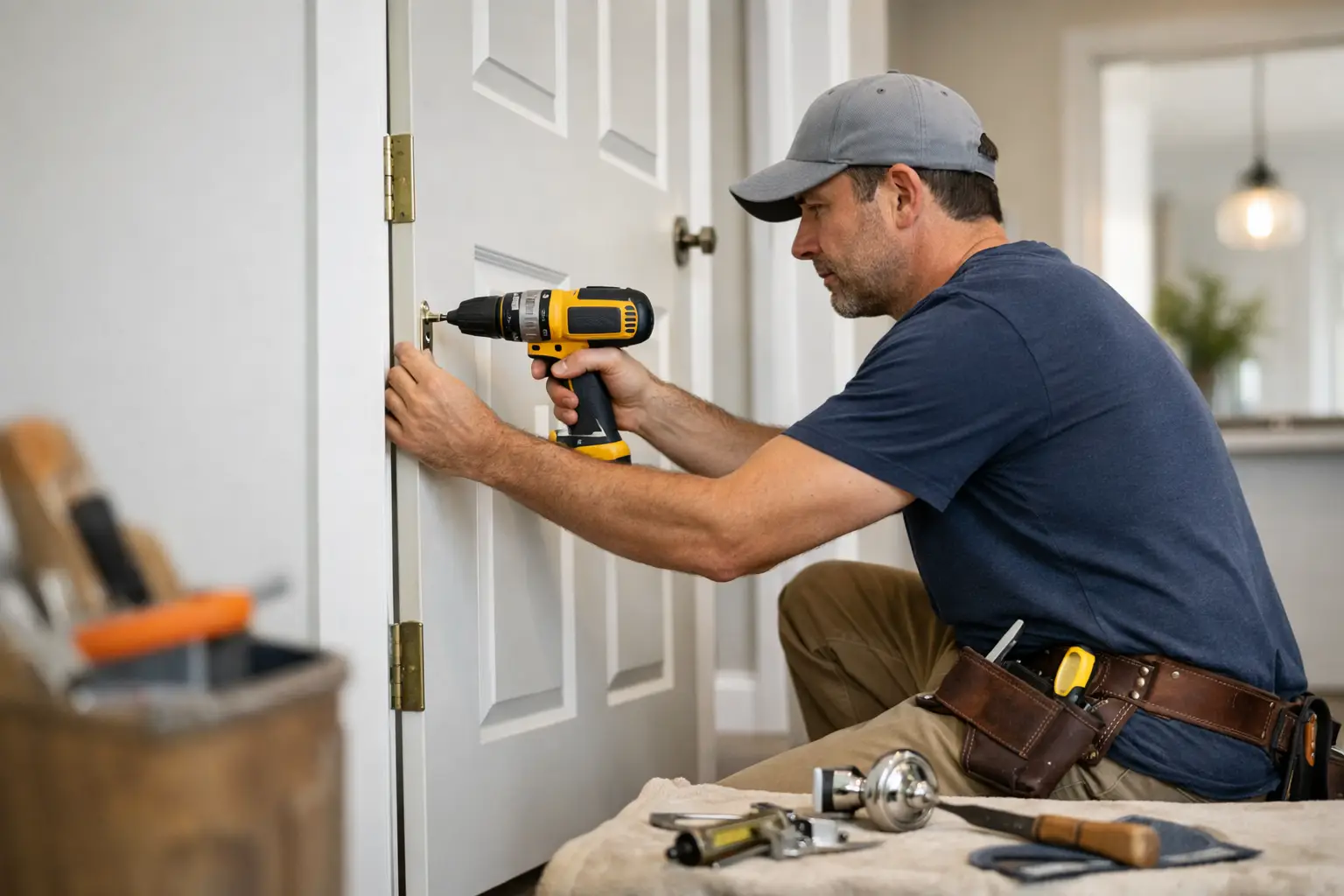
A door that sticks, leaves a gap at the jamb, or will not latch is more than an everyday annoyance. It can affect privacy, security, energy costs, and the way your home looks and functions. So, can a handyman install doors? In many cases, yes. A qualified handyman can install, replace, repair, and adjust many common residential doors, provided the project does not require major structural changes or specialized trade work.
For homeowners in Tallahassee, Marianna, Dothan, and nearby communities, professional door installation can save a full weekend of measuring, trimming, shimming, and troubleshooting. The key is matching the scope of the job to the right professional.
Can a Handyman Install Doors? Usually, Yes
Most standard interior and exterior door replacement projects are well within the scope of an experienced handyman. This includes hanging a new bedroom or bathroom door, replacing a damaged front door in an existing opening, installing closet doors, changing door hardware, and correcting alignment problems that keep a door from closing properly.
Door work requires more skill than simply attaching hinges. The opening must be measured correctly, the frame has to be square and plumb, and the door needs enough clearance to swing without rubbing the floor or binding against the jamb. On exterior doors, weatherstripping, thresholds, flashing, locks, and insulation also need careful attention. A door may look acceptable on installation day but create drafts, leaks, or security concerns later if these details are skipped.
A handyman is often a practical choice when the door opening already exists and the project involves replacing a similar type of door. For example, swapping an old hollow-core bedroom door for a new prehung interior door is very different from cutting a new opening into a load-bearing exterior wall.
Door Projects That Often Fit Handyman Service
A professional handyman can commonly help with interior door replacement, exterior door replacement in an existing framed opening, storm and screen doors, closet doors, bifold doors, French doors within an existing opening, and sliding barn-style doors. They can also repair loose hinges, worn weatherstripping, damaged trim, sticking doors, broken latches, and misaligned strike plates.
Prehung doors are a common option for replacement because they come already mounted in a frame. The existing door and jamb are removed, then the new unit is positioned, shimmed, secured, insulated, and finished with trim. This approach is often the best choice when the old frame is damaged, out of square, or too worn to support a new slab door properly.
A slab door can be a good solution when the existing jamb is still in good condition. However, slab installation can require precise cutting, mortising for hinges, drilling for the lockset, and trimming the bottom edge for proper floor clearance. It may cost less in materials, but it leaves less room for measuring mistakes.
In older homes, door openings are not always standard sizes. Settling, previous repairs, uneven flooring, and older framing can all affect the fit. An experienced handyman can assess whether a standard door will work or whether the door, jamb, or trim needs to be modified.
When the Project May Need a Specialist
Not every door project is a simple replacement. If the work involves altering structural framing, moving electrical wiring, relocating plumbing, or creating a new opening in a wall, it may require a licensed contractor or additional trades. Permit requirements also vary by location and project type, especially for exterior openings, impact-rated products, and major remodeling work.
Exterior doors deserve extra consideration because they protect the home from weather and unwanted entry. If there is rot around the sill, water damage behind the trim, termite damage, or significant framing issues, the job may extend beyond standard installation. The damaged material needs to be addressed before a new door is put in place, or the same problems can return.
Garage entry doors, patio doors, large sliding glass doors, and custom iron or fiberglass units can also require specialized handling. These doors are heavy, often need multiple installers, and may involve manufacturer-specific installation requirements. Pocket doors are another case where the answer depends on access to the wall cavity and the condition of the track system.
The best approach is an honest assessment before materials are ordered. A dependable service provider should explain what is included, identify possible repairs around the opening, and let you know if the project calls for permits or another trade.
What a Proper Door Installation Should Include
A quality installation starts with accurate measurements. The installer should measure the width, height, depth, and condition of the rough opening, along with the door swing direction. Door handing matters: a left-hand inswing and a right-hand inswing may look similar in a store, but ordering the wrong configuration can delay the project.
Once the correct door is selected, the old unit is removed without damaging surrounding finishes whenever possible. The opening is checked for level, plumb, and square. Shims are placed behind the hinges and strike area so the frame remains stable and the door carries its weight correctly.
The installer then checks the reveal, which is the consistent gap around the door. A proper reveal helps the door close evenly and keeps it from rubbing. Hardware is installed and tested, including hinges, latch, deadbolt, handleset, door sweep, and closer when applicable.
For exterior doors, the work should also include sealing gaps, installing or replacing weatherstripping, and making sure the threshold sits correctly. In North Florida and Southeast Alabama, humidity and heavy rain can expose poor installation quickly. Proper sealing helps reduce drafts, water intrusion, and damage to nearby flooring or framing.
Trim and paint may be part of the project as well. It is worth confirming whether the estimate includes caulking, interior and exterior trim, touch-up work, disposal of the old door, and hardware installation. Clear expectations prevent the common frustration of a door being technically installed but not fully finished.
Choosing the Right Door for Your Home
The right door depends on location, use, budget, and the condition of the opening. Hollow-core interior doors are lightweight and affordable, while solid-core options provide better sound control and a more substantial feel. Solid wood, fiberglass, and steel exterior doors each offer different benefits for appearance, insulation, maintenance, and security.
For a front entry, fiberglass can be a strong choice because it resists warping and can mimic the look of wood. Steel doors are durable and secure, though dents and scratches may need attention over time. Wood doors offer a classic appearance but require regular maintenance to stand up to moisture and sun exposure.
Do not choose a replacement door based on width and height alone. Consider the jamb depth, swing direction, lock location, threshold height, trim profile, and whether the new door needs to meet local code or insurance requirements. If you are replacing an exterior door, confirm whether the product is appropriate for your home and area before purchasing it.
Questions to Ask Before Scheduling Door Installation
Before hiring someone, ask whether they have experience with the specific type of door you are installing. A handyman who regularly handles interior prehung doors may not be the best fit for a large sliding patio door or a custom entry system.
You should also ask whether the quote includes removal of the existing door, trim work, hardware, weatherproofing, minor frame repairs, and cleanup. If the opening has hidden rot or damage, ask how change orders or additional repairs will be handled. A clear scope protects both the homeowner and the service provider.
It also helps to decide who will purchase the door and hardware. Some homeowners prefer to select the style themselves, while others want professional input before ordering. Either approach can work, but measurements should be confirmed before a nonreturnable door is purchased.
Sola Handyman Services can help homeowners assess common door replacement and repair needs, from sticking interior doors to worn exterior door components. A site visit can identify whether the project is a straightforward installation or whether framing, water damage, or specialty work needs to be addressed first.
A new door should close firmly, latch without force, seal against the weather, and look right in the space. If yours no longer does those things, getting a professional assessment before the damage spreads can be a practical next step for your home.