Cabinet Refacing for Kitchens: Is It Worth It?
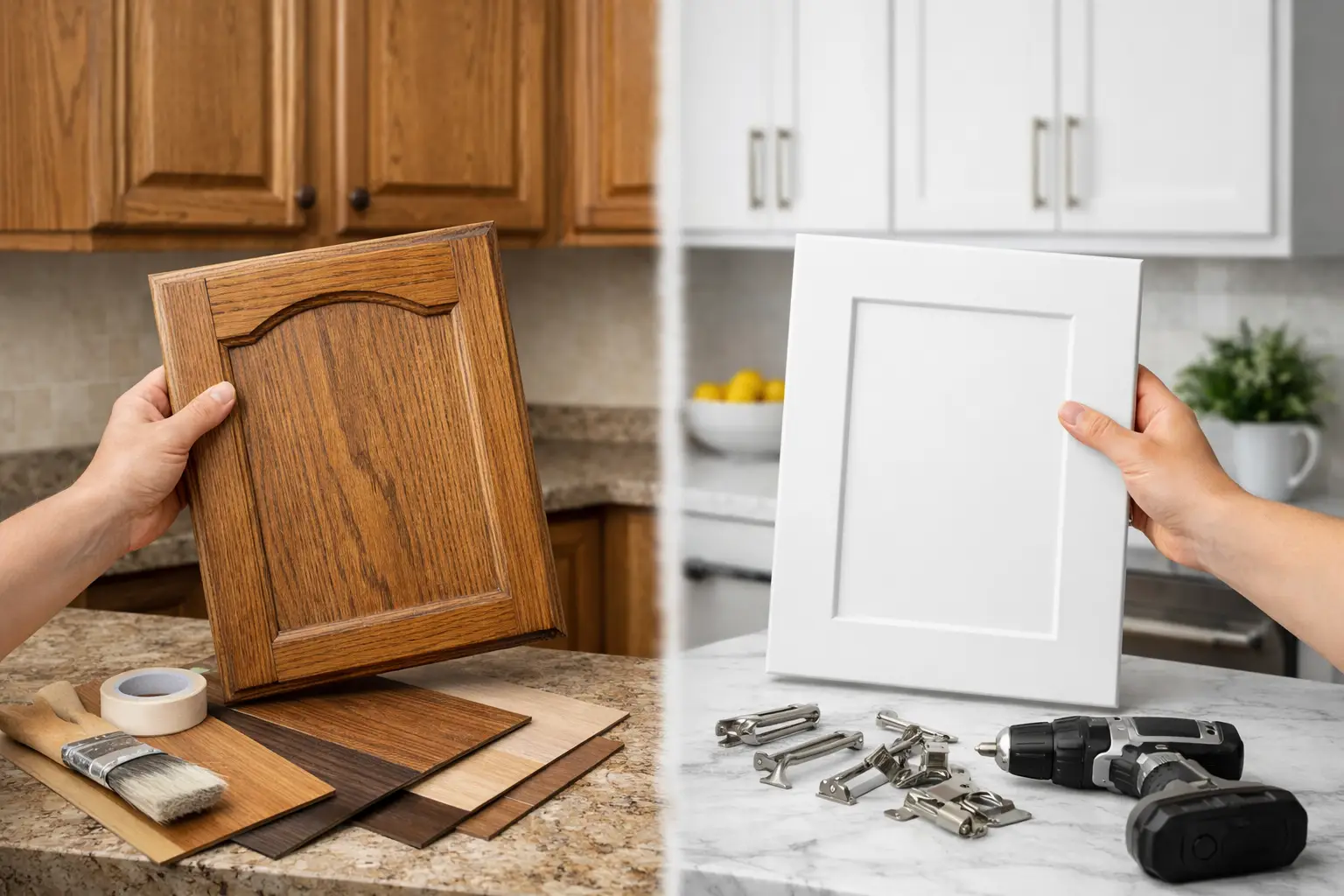
A dated kitchen can make the whole house feel tired, even when the layout still works well. Cabinet refacing for kitchens gives homeowners a practical way to update the room without tearing out usable cabinet boxes, relocating plumbing, or committing to a full remodel. For many homes in Tallahassee, Marianna, Dothan, and nearby communities, it is the right middle ground between a quick cosmetic fix and a complete kitchen renovation.
What Cabinet Refacing for Kitchens Includes
Refacing updates the visible parts of existing cabinets while keeping the cabinet boxes in place. The old doors and drawer fronts are removed, the exterior cabinet frames are covered with new veneer or laminate, and new doors, drawer fronts, hardware, and often hinges are installed.
The result can be a major visual change. Homeowners can move from worn oak to a clean white finish, choose a warmer wood look, add modern pulls, or select shaker-style doors that better fit the rest of the home. Because the cabinet layout remains in place, refacing generally causes less disruption than a full cabinet replacement.
Refacing is not the same as painting. Paint can improve cabinets that are structurally sound, but it does not replace worn doors, damaged drawer fronts, outdated profiles, or failing hardware. Refacing is a more substantial upgrade designed to give existing cabinet structures a new finished appearance.
When Refacing Is a Smart Choice
The condition of the cabinet boxes matters more than the age of the kitchen. Refacing can be a strong investment when the boxes are solid, level, securely attached to the wall, and free of major water damage. Plywood or quality solid-wood boxes often make good candidates, as do cabinets with an efficient layout that already meets the household's needs.
It is especially practical when the goal is better appearance rather than a different floor plan. If you like where the sink, range, refrigerator, and main storage areas are located, there may be little reason to remove cabinets that still perform well. Saving the cabinet boxes can reduce labor, material waste, and the time your kitchen is out of service.
Refacing can also work well when paired with a few targeted improvements. A homeowner may keep the existing layout but add soft-close hardware, replace a worn countertop, install a new backsplash, improve under-cabinet lighting, or update the sink and faucet. These changes can make an older kitchen look substantially more current without turning the project into a complete reconstruction.
When Replacement May Be the Better Answer
Refacing cannot correct serious structural problems. Cabinets with swollen particleboard, water damage around the sink, sagging bottoms, loose wall connections, mold concerns, or extensive frame damage need more than new faces. Covering a failing cabinet box only delays the real repair.
A full replacement is also worth considering if the kitchen layout creates daily frustration. Perhaps there is not enough storage, the refrigerator crowds a walkway, the dishwasher blocks access, or the current cabinets do not provide room for modern appliances. Refacing preserves the basic footprint, so it is not the best solution when function needs to change.
There is also a cost trade-off. Refacing often costs less than custom cabinet replacement, but it is not always a bargain compared with entry-level stock cabinets. The right comparison depends on cabinet quality, the number of doors and drawers, the selected finish, hardware, countertop work, and any repairs needed before installation. A professional assessment can help homeowners compare real project scopes instead of choosing based on a single price alone.
The Cabinet Refacing Process
A successful project starts with an inspection and careful measurements. The installer checks cabinet-box condition, door and drawer alignment, wall attachment, and any signs of moisture damage. This is the point where hidden issues should be addressed, particularly around sinks, dishwashers, and plumbing connections.
After the style and finish are selected, new doors and drawer fronts are ordered or prepared. The existing door fronts, drawer faces, and hardware are removed. The exposed cabinet frames are cleaned, repaired as needed, and covered with matching material so they blend with the new components.
New doors, drawer fronts, hinges, and pulls are then installed and adjusted. Good alignment makes a noticeable difference. Even high-quality doors can look unfinished if gaps are uneven, drawers drag, or cabinet doors rub against each other. Final adjustments should ensure that doors close properly and drawers operate smoothly.
Because cabinet boxes stay in place, refacing is usually less invasive than a full replacement. Still, homeowners should expect work noise, dust control measures, temporary loss of access to parts of the kitchen, and clear workspace around the cabinets. Planning simple meals ahead of time can make the project period easier.
Choosing a Style That Will Last
Cabinet refacing is a chance to update the kitchen, but the best choice is not always the boldest one. Shaker doors remain popular because their clean lines work with traditional, transitional, and modern homes. Flat-panel doors can suit a more contemporary space, while raised-panel styles may fit homes with a more formal or classic look.
Color should work with the room's lighting, flooring, countertops, and wall color. White and soft neutral cabinets can brighten a smaller kitchen. Natural wood tones add warmth and may hide day-to-day marks more easily. Dark finishes can look sharp, but they may make a compact kitchen feel smaller and can show dust or fingerprints more readily.
Hardware deserves the same attention. New pulls and knobs are relatively small details, yet they affect how cabinets feel every day. Choose a finish that complements the faucet, lighting, and appliances without trying to match every metal exactly. Consistency matters more than perfection.
Refacing, Painting, or Replacing?
Painting is usually the least expensive option when doors are in good shape and the goal is simply a color change. It can be effective, but surface preparation is critical, and painted finishes may need touch-ups over time in high-use areas.
Refacing offers a larger change because it replaces the doors and drawer fronts while updating the visible cabinet frames. It is a good fit for sound cabinets with outdated finishes or door styles. It also allows homeowners to upgrade hardware and improve the finished look without removing every cabinet.
Replacement provides the most flexibility. It allows changes to cabinet size, storage configuration, layout, and appliance placement. That flexibility comes with more cost, more demolition, and a longer project timeline. If your current kitchen functions well, refacing may deliver the improvement you want with fewer moving parts.
Work With a Professional Who Checks the Details
Cabinet work is highly visible, which means small mistakes stand out. Accurate measuring, proper materials, straight installation, clean edging, and door adjustment all affect the final result. The work should also account for existing countertops, walls, flooring, and appliances so that the updated cabinets fit the room properly.
Sola Handyman Services helps homeowners evaluate kitchen improvement projects with practical expectations and skilled workmanship. Whether refacing is the right option or cabinet repairs and replacement make more sense, the goal should be a kitchen that looks better and works better for the people using it every day.
Before choosing a finish or ordering new doors, take a close look at the cabinet boxes under the sink and in the busiest storage areas. A sound foundation makes cabinet refacing a smart upgrade, and an honest inspection helps ensure the finished kitchen is built to last.